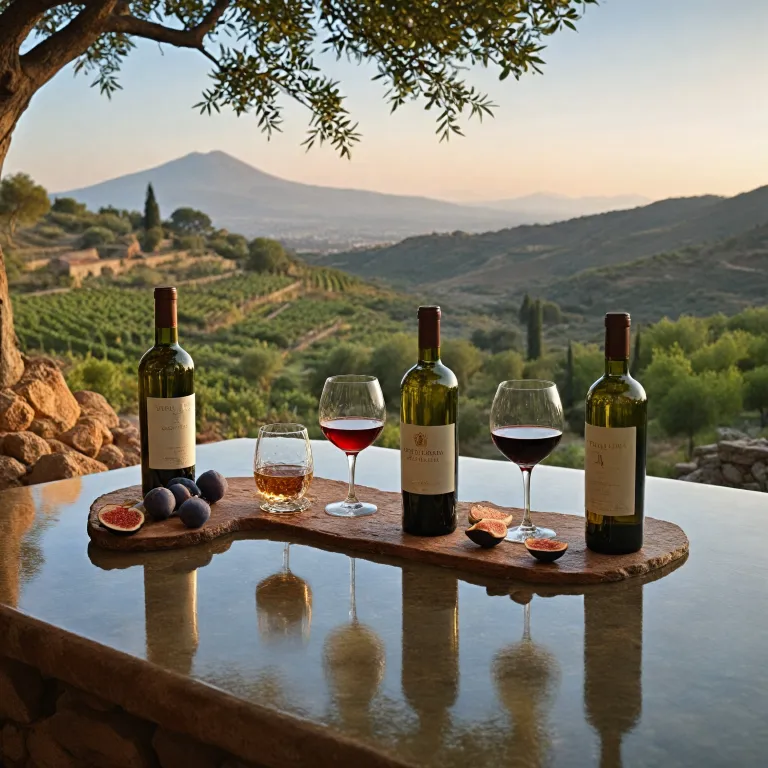
Wine districts in Italy and how they shape luxury travel
Wine districts in Italy influence where refined travelers choose to stay. When you plan a luxury hotel in Sicily, you are also choosing proximity to vineyards, cellars, and quietly spectacular landscapes. Understanding how each wine region in Italy works helps you align your hotel booking with the style of wine, scenery, and service you value most.
Across the main wine regions Italy offers, from Sicily to Tuscany and Veneto, wine production is deeply connected to local culture. These regions produce red wines, white wines, and sparkling wines that pair naturally with regional cuisine and high end hospitality, which matters when you expect a seamless experience from suite to cellar. A thoughtful region guide lets you compare each wine region and match it with the level of privacy, spa facilities, and concierge support you want from a premium hotel.
In Sicily, the island’s role among the wine regions Italy counts as most dynamic is clear in its 112 000 hectares of vineyards. This vast wine region includes coastal vineyards, inland hills, and the volcanic slopes of Etna, each offering different grape varieties and hotel settings. When you evaluate a Sicily wine region for your stay, consider whether you prefer full bodied red wines like Nero d’Avola or lighter white wines, then look for hotels that curate wine tasting programs around those styles.
From Sicily to Tuscany and Veneto: mapping wine regions to hotel choices
Luxury travelers often compare Sicily with Tuscany and Veneto when planning a wine focused escape. Each wine region offers distinct wines, landscapes, and hotel atmospheres, so aligning your expectations with the right region is essential. In Tuscany, for example, rolling hills and historic estates frame the home of Chianti Classico, while in Sicily, coastal light and volcanic soils shape Nero d’Avola and Etna red wines.
Within these wine regions Italy showcases, DOC and DOCG appellations signal stricter rules on grape varieties and wine production. Guests who care about Italian wine classifications often prefer hotels that highlight DOC and DOCG labels on curated lists, from Chianti Classico in Tuscany to structured reds in Sicily. When a property’s sommelier explains why a DOC wine from one region differs from a DOCG bottle in another, it elevates both the tasting and the sense of place.
In Veneto, vineyards producing Prosecco and other sparkling wines attract travelers who enjoy fresher styles and lively wine tasting experiences. By contrast, Sicily and Abruzzo lean toward more full bodied red wines, while Puglia offers generous, sun drenched reds that pair with rustic cuisine and relaxed coastal hotels. For guests booking premium stays, guides to exclusive events and tailored experiences help connect each wine region with private tastings, chef’s tables, and vineyard transfers.
Inside Sicily’s vineyards: pairing Nero d’Avola with premium stays
Sicily stands among the most extensive wine regions Italy offers, with vineyard areas that rival entire mainland regions. This scale allows for remarkable diversity in grape varieties, from Nero d’Avola and Nerello Mascalese to crisp whites grown at altitude. For travelers, that means you can choose a hotel near coastal vineyards, inland DOC zones, or the dramatic wine region around Etna.
Many guests arrive seeking Nero d’Avola, often written as nero avola in informal guides, because it defines modern Sicily wine identity. These red wines range from juicy and approachable to structured and full bodied, which pairs beautifully with refined Sicilian cuisine in luxury hotel restaurants. When a property curates vertical tastings of Nero d’Avola and other Italian wine labels, it turns a simple dinner into a focused wine tasting journey.
Sicily also produces notable white wines, including mineral driven styles from higher vineyards that contrast with richer coastal whites. Hotels that maintain close relationships with nearby vineyards can arrange private tours, where you walk among the grape rows before tasting both red wines and white wines in situ. For many travelers, the best wine experiences come when a concierge coordinates transport, reservations, and a relaxed schedule, allowing you to move from pool to cellar without logistical stress.
Emilia Romagna, Lazio, Umbria, Marche, and Valle d’Aosta in a refined region guide
Beyond Sicily, several quieter wine districts in Italy reward travelers who enjoy less crowded routes. Emilia Romagna, with around 51 000 hectares of vineyards, is known for Lambrusco and Sangiovese wines that pair naturally with its celebrated cuisine. Here, hotels near vineyards often emphasize convivial dining and sparkling wines, creating a different mood from the coastal elegance of Sicily or Puglia.
Lazio, with about 25 000 hectares planted, is best known for its Frascati white wine, which offers refreshing options for guests staying near Rome. Umbria, with roughly 17 000 hectares, focuses on Sagrantino and Orvieto, giving travelers access to powerful red wines and structured white wines in a compact wine region. Marche adds another 18 000 hectares, where Verdicchio stands out among white wine specialists, while Valle d’Aosta, with only 400 hectares, offers high altitude vineyards and rare grape varieties.
These regions Italy promotes less aggressively than Tuscany or Veneto still provide some of the best wine experiences for guests who value authenticity. Due to limited production, Valle d'Aosta wines are less commonly exported. Hotels in these wine regions often collaborate directly with producing estates, arranging intimate wine tasting sessions that highlight local red grape and white grape varieties alongside regional dishes.
Designing a Sicily itinerary around wine tasting and luxury hotels
For guests focused on wine districts in Italy, Sicily offers a natural base for a multi region itinerary. You might begin in a coastal Sicily wine region, enjoying seafood with crisp white wines, then move inland toward full bodied Nero d’Avola and structured red wines. Finally, you could finish near Etna, where vineyards climb volcanic slopes and produce some of the best wine expressions of Italian red grape and white grape varieties.
When planning, consider how many DOC and DOCG zones you want to include, and how far you are willing to travel between hotels. Some travelers prefer to stay in one premium property and book day trips to surrounding vineyards, while others enjoy a progressive tour that links Sicily with Puglia, Abruzzo, or even Emilia Romagna. In every case, aligning your hotel choices with wine tasting appointments ensures that transfers remain comfortable and timings realistic.
Luxury properties increasingly curate private tours and exclusive experiences that connect guests directly with producing estates and leading Italian wine makers. Guides to private tours and exclusive experiences can help you identify hotels that manage everything from vineyard picnics to cellar dinners. This approach lets you focus on comparing red wines, white wines, and sparkling wines from different regions Italy offers, rather than on driving, reservations, or logistics.
Choosing the best wine focused hotel in Sicily for Italian wine lovers
Selecting the best wine focused hotel in Sicily begins with clarifying which wines you most enjoy. If you favor full bodied red wines, look for properties near Nero d’Avola vineyards or other red grape plantings, where cellar selections emphasize structured Italian wine. Guests who prefer white wine or sparkling wines might instead choose hotels closer to higher altitude vineyards or coastal areas producing fresher styles.
Evaluate how each property integrates wine into its service, from in room selections to guided wine tasting events. Some hotels maintain partnerships with DOC and DOCG estates across several wine regions Italy counts as leading, including Tuscany, Veneto, and Emilia Romagna, offering comparative flights of Chianti Classico, Prosecco, and Sicily reds. Others focus tightly on a single wine region, presenting a deep dive into local grape varieties and terroirs for guests who want a more specialized experience.
For many travelers, the best wine hotel is one where staff can explain why Lambrusco from Emilia Romagna differs from a white wine from Lazio or a Sagrantino from Umbria. What white grape is prominent in Marche? Verdicchio is a prominent white grape in Marche. These informed conversations, supported by carefully chosen wines from regions Italy wide, build trust and turn a simple stay into an elegant, educational journey through Italy wine culture.
Key figures on Italian wine regions and essential questions for travelers
Several statistics help frame the scale and diversity of wine districts in Italy for discerning guests. Sicily leads with about 112 000 hectares of vineyards, making it one of the largest wine regions Italy offers and a natural focus for wine centered hotel stays. Emilia Romagna follows with roughly 51 000 hectares, while Lazio, Umbria, and Marche contribute 25 000, 17 000, and 18 000 hectares respectively, and Valle d’Aosta remains a rare gem with around 400 hectares.
These figures show how widely vineyards and grape varieties are distributed across the country, from coastal Sicily and Puglia to inland Abruzzo and the alpine terraces of Valle d’Aosta. Increased focus on indigenous grape varieties, growing interest in organic and biodynamic practices, and the rising popularity of lesser known wine regions all influence how hotels design their wine programs. For travelers, this means more opportunities to taste both classic Italian wine styles and emerging expressions during a single, well planned tour.
What is the most planted grape in Emilia-Romagna? Lambrusco is the most planted grape in Emilia-Romagna. Which wine is Lazio best known for? Lazio is best known for its Frascati white wine. What is Umbria's signature red wine? Sagrantino is Umbria's signature red wine. By keeping these reference points in mind, guests can better interpret wine lists, plan regional excursions, and choose hotels that align with their preferred wines, regions, and styles.