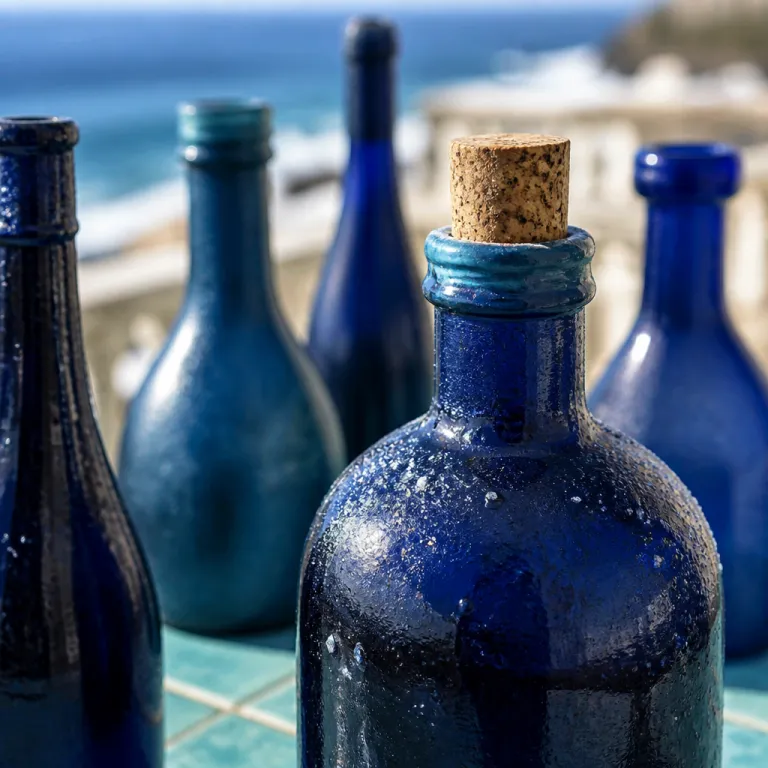
Carricante on Etna: the white grape rewriting Sicily’s skyline
High on the eastern slopes of Etna, Carricante has become the white grape that many sommeliers quietly request before anything else. In a region once defined by heavy red wines, this indigenous grape variety now anchors some of the most refined Sicilian wines poured in luxury hotel bars across the island. For guests checking into a sea view suite in Taormina or a design forward retreat near mount Etna, Carricante based Etna Bianco is the glass that immediately signals they have arrived in serious wine country.
The best Etna DOC estates work with old vines planted at higher altitudes, where the air feels thin and the light almost metallic. Producers such as Benanti and Tenuta delle Terre Nere helped codify this style in the 1990s, and today the Etna DOC rules require Carricante as the backbone of Etna Bianco. Here the wine production focuses on precision rather than power, turning this once rustic wine grape into a mineral driven style that pairs beautifully with refined hotel cuisine. Expect medium bodied textures, bright acidity and flavours of citrus fruit, wild herbs and a salty finish that mirrors the sea below Sicily’s volcanic terraces.
Luxury properties around Etna now curate dedicated Sicilian wine lists that highlight Carricante as a flagship grape variety, often alongside Etna Rosso made from nerello mascalese and nerello cappuccio. Many arrange private transfers to Etna DOC cellars for vineyard walks across black ash soils, followed by vertical tastings of different vintages of these white wines. When you see Etna Bianco by the glass in a hotel lounge, treat it as a quiet invitation to explore the wider world of Sicilian wine grape varieties beyond the usual nero avola clichés.
Nerello Mascalese, Nerello Cappuccio and the red wines of the volcano
On Etna’s northern and eastern flanks, nerello mascalese is the red grape that has drawn global critics to Sicily with Burgundy comparisons that still divide tasting rooms. Its pale colour and fine tannins give these red wines a delicacy that surprises guests expecting only full bodied southern styles. In high end resorts from Linguaglossa to Randazzo, sommeliers now pour Etna Rosso flights to show how this single grape variety shifts character from one lava terrace to the next.
Nerello cappuccio usually plays the supporting role in these Etna DOC blends, adding darker fruit tones and a touch more body to the medium weight frame of nerello mascalese. Together they create Sicilian wines that feel tailor made for tasting menus built around plant forward cuisine and line caught fish, such as the acclaimed cooking on Vulcano celebrated in this guide to plant forward Sicily and volcanic fine dining. The result is a style of red wine that travelers can drink from aperitivo through to main course without fatigue.
For visitors booking premium suites, the smartest move is to ask the concierge for a private Etna wine tour that combines vineyard visits with lunch at a countryside relais. Walking among old vines of nerello mascalese, you feel how close mount Etna looms over every decision in local wine production. Tasting both Etna Rosso and Etna Bianco on site, you understand why these Sicilian wine grape varieties now sit at the centre of serious Sicilian wines rather than on the margins.
From Nero d’Avola to Frappato and Cerasuolo di Vittoria
Nero d’Avola, often written as nero avola on wine lists, remains the most recognised red grape from Sicily, yet it is no longer the whole story. In the southeast, around Vittoria, a new generation of estates blends this powerful red grape with the lighter Frappato to create Cerasuolo di Vittoria DOC wines that feel made for Mediterranean evenings. These medium bodied reds, with their bright fruit and gentle tannins, are increasingly the house pours at refined hotels in Ragusa, Modica and the wider Val di Noto.
Frappato itself is a red grape variety that produces light bodied, aromatic wines with red berry and floral notes. Classic examples from producers such as COS or Arianna Occhipinti show how this style can be both delicate and serious. When served slightly chilled by a hotel pool or on a candlelit terrace, this style of Sicilian wine offers a graceful alternative to heavier full bodied reds from western Sicily. Many luxury properties now curate tasting flights that place Frappato alongside pure nero avola bottlings, allowing guests to compare how these two grape varieties express the same island sun in very different ways.
For couples planning a romantic itinerary, consider a stay that links a baroque palace hotel in Noto with a countryside wine relais near Vittoria, booked through a specialist platform like Stay in Sicily. This kind of route lets you taste Cerasuolo di Vittoria with refined local cuisine at lunch, then explore more structured Sicilian wines over dinner in town. Along the way you will see how the evolution of these Sicilian wine grape varieties mirrors the island’s shift from bulk wine production to carefully crafted DOC labels.
Grillo, Catarratto and the new face of western Sicily
Cross to western Sicily and the conversation turns from volcanic reds to luminous whites built on grillo and catarratto, two white grape pillars of the region. Grillo, once known mainly as a blending grape for fortified Marsala, now yields refreshing, aromatic wines with citrus and tropical fruit flavors. Catarratto, by contrast, offers subtle floral notes and moderate acidity in easy drinking wines that still speak clearly of the island.
Luxury coastal hotels around Marsala, Trapani and Menfi increasingly showcase these Sicilian wine grape varieties in curated Sicilia DOC selections, often served alongside raw seafood and crudo platters. Here grillo based wines tend to be medium bodied, with enough structure to handle richly flavoured dishes while remaining bright and saline. Catarratto appears both as a pure white grape expression and in blends, giving texture and a gentle backbone to many modern Sicilian wines from this part of the island.
Many estates now welcome guests for guided tastings that move from crisp grillo to more complex, sometimes full bodied, barrel aged whites, before finishing with local sweet wines. Sicily’s regional wine consortium notes that more than 70 indigenous grape varieties are registered on the island, and grillo and catarratto remain among the most planted. For couples booking premium rooms through a luxury focused platform, it is worth choosing properties that partner with nearby wineries for private tours and sunset tastings among the vines. These experiences reveal how western Sicily has transformed its reputation, using indigenous grape varieties to shift from anonymous bulk wine production to characterful, terroir driven Sicilian wines that stand confidently on international lists.
Zibibbo, sweet wines and where to stay among the vines
Far from Etna and the western plains, the island of Pantelleria offers a different chapter in the story of Sicilian wine grape varieties, built around Zibibbo and its celebrated sweet wines. Here low bush trained vines cling to terraced volcanic slopes, creating a landscape so distinctive that the traditional viticulture has been recognised for its cultural value. The resulting wines, often sun dried and intensely perfumed, provide a luxurious finale to tasting menus in high end hotels across Sicily.
On the mainland island itself, many estates also craft late harvest and passito styles from white grape and red grape varieties, giving travelers a chance to explore the full arc of Sicilian wines from bone dry Etna Bianco to luscious dessert bottlings. Wine production in these categories remains relatively small, which makes them particularly appealing for couples seeking rare bottles to enjoy on a private terrace or to take home. Some luxury hotels now offer curated in room tastings that pair these sweet wines with local pastries, almonds and candied fruit for an intimate end to the evening.
When planning a romantic circuit of Sicily’s vineyards, consider combining an Etna stay, a western Sicily coastal retreat and a final night in a countryside wine relais, using this elegant honeymoon tour in Italy for couples as inspiration. This kind of itinerary lets you experience the full spectrum of Sicilian wine grape varieties, from volcanic reds to island sweet wines, without sacrificing comfort or time. Along the way you will see how wine, hospitality and landscape intertwine, turning a simple tasting into the defining memory of your stay in Sicily.
How to weave Sicilian wine into your luxury hotel stay
For couples booking premium hotels in Sicily, the smartest stays now treat wine as a central part of the experience rather than a simple list at the back of the menu. Many properties work directly with estates specialising in nerello mascalese, grillo, catarratto and other grapes to design private tastings, vineyard picnics and cellar dinners. With more than 70 indigenous grape varieties grown on the island, a thoughtful concierge can tailor an itinerary around your preferred styles, from light red wines to structured whites.
When you arrive, ask to see the Sicilia DOC selection and look for Etna DOC labels such as Etna Rosso and Etna Bianco alongside Cerasuolo di Vittoria and coastal whites from western Sicily. A well curated list should highlight both classic Sicilian wines and emerging producers working with lesser known grape varieties like Perricone, Inzolia and Frappato. Perricone typically brings dark cherry, spice and firm tannins, while Inzolia often shows almond, citrus peel and a softer texture. To deepen the experience, consider booking a guided tasting that compares different expressions of the same wine grape, such as several nerello mascalese reds from various Etna slopes.
As one regional guide notes, “Frappato wines often exhibit red berry and floral notes”, a reminder that texture and aroma matter as much as grape names when choosing what to drink. Use this level of detail when speaking with hotel sommeliers, describing whether you prefer medium bodied reds, full bodied styles or crisp white wines with high acidity. Approached this way, Sicilian wine grape varieties become more than a list of names; they turn into a personalised map that shapes where you stay, what you taste and how you remember the island.
FAQ
Which Sicilian grape varieties should first time visitors taste beyond Nero d’Avola ?
First time visitors should prioritise Carricante from Etna for structured white wines, nerello mascalese based Etna Rosso for elegant volcanic reds and grillo from western Sicily for bright coastal whites. Frappato from the Vittoria area offers a light, aromatic red that works well slightly chilled. Catarratto provides an easy drinking white grape option that still reflects the island’s character.
What are some notable Sicilian grape varieties besides Nero d'Avola ?
Frappato, Grillo, Catarratto, Perricone, and Inzolia are notable varieties. These grapes cover a wide spectrum of styles, from light bodied reds to fuller whites and structured blends. Tasting them side by side helps travelers understand the diversity of Sicilian wines.
Where can luxury travelers stay to explore Etna’s volcanic wines ?
Luxury travelers should look for high end hotels and wine relais around towns such as Taormina, Linguaglossa and Randazzo, which sit close to key Etna DOC vineyards. Many of these properties offer direct access to estates producing Etna Bianco and Etna Rosso from Carricante and nerello mascalese. Private drivers and guided tours can usually be arranged through the concierge.
Is Grillo used in any specific Sicilian wines ?
Grillo is commonly used in refreshing, aromatic white wines. In modern western Sicily it appears both as a single varietal Sicilia DOC wine and in blends that may include catarratto or Inzolia. Some producers also experiment with barrel ageing to create more complex, gastronomic styles suited to fine dining.
How can I combine wine tasting with a romantic stay in Sicily ?
The most rewarding approach is to book a sequence of luxury hotels that each anchor a different wine zone, such as Etna, Vittoria and western Sicily. Many properties now offer enotourism packages that include guided tastings, vineyard walks and food pairings focused on local grape varieties. Planning with a specialist platform dedicated to Sicilian hotels helps ensure transfers, timings and reservations align smoothly.