Caltagirone: where sicily artisan crafts shape the skyline
Caltagirone rises from central Sicily like a terracotta amphitheatre, its staircases and façades wrapped in traditional ceramic stories. This hill town is one of the purest expressions of Sicilian craftsmanship on the island, where local authorities list more than one hundred registered workshops that keep traditional techniques alive through clay, glaze and fire. For travelers booking luxury and premium hotels across the island, a day trip here adds depth to any itinerary and anchors your stay in the island cultural reality of artisanal work.
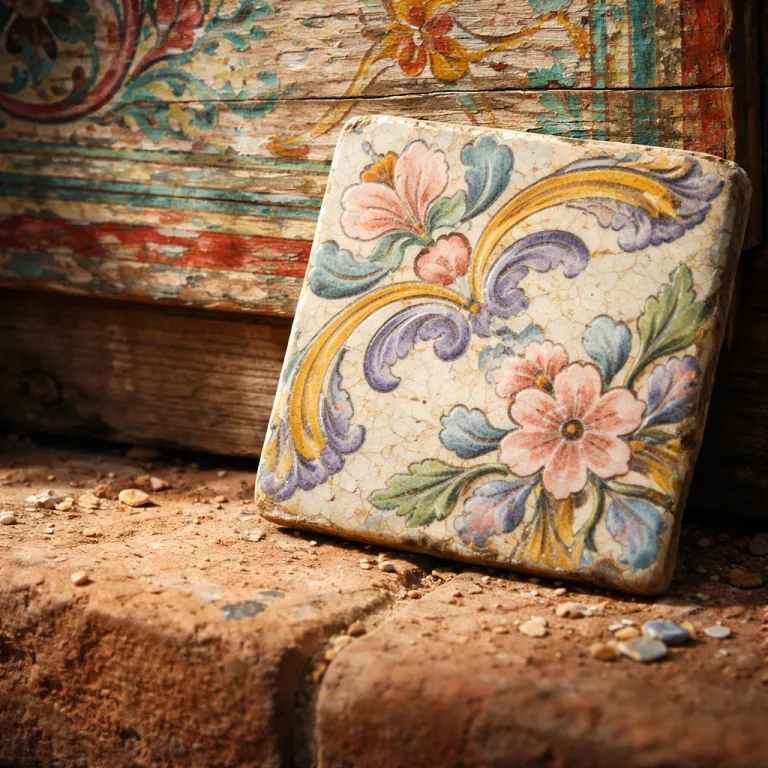
The famous Scala di Santa Maria del Monte climbs for about 130 metres, each of its 142 risers faced with hand painted tiles that narrate layers of cultural heritage. These decorated Sicilian patterns move from Arab geometry to Baroque flourishes, showing how past generations of artisans absorbed influences from across Italy and beyond. Walking the steps slowly lets you read this Sicily cultural palimpsest while you notice how individual tiles differ slightly, proof that skilled artisans rather than machines shaped every piece.
Local tourism offices estimate that tens of thousands of people visit Caltagirone annually, yet the town still feels intimate and deeply traditional. Many ceramic studios sit within a few hundred metres of the main staircase, so you can move easily between them on foot and compare artisanal techniques, price ranges and styles. Wear comfortable shoes, add a refillable water bottle to your day bag and you will be ready to explore the full spectrum of Sicily artisan crafts without rushing.
Inside the ceramic workshops: meeting sicilian artisans at work
Step off the main street and you enter cool rooms lined with shelves of unfinished items, where Sicilian artisans shape raw clay into plates, vases and architectural tiles. Many of these workshops welcome visitors without appointment, though calling ahead or asking your hotel concierge to add your name to a guest list is a courteous gesture. You will often find three generations working side by side, a living example of how Sicilian craftsmanship is passed between generations within families rather than taught only in schools.
Ask politely before taking photographs, and treat each studio as both workplace and gallery where traditional Sicilian etiquette applies. Prices for artisanal pieces vary widely, with small accessories such as hand painted espresso cups starting at modest sums, while large decorated Sicilian floor tiles or custom lava stone tables command a premium price that reflects the labour involved. When you compare price points, remember that every brushstroke and every firing represents hours of traditional craftsmanship rather than factory production.
Many studios now offer short interactive sessions where guests can try basic jewelry making in ceramic form, paint a tile or glaze small handicrafts to be shipped home later. Local guides describe this shift toward experiential luxury in simple terms: visitors increasingly want to “get their hands dirty” and understand the work behind each object. Luxury hotels in Sicilia increasingly coordinate these visits, arranging private openings for solo travelers and women traveling alone, and ensuring that language barriers do not limit your ability to share story moments with Sicilian artisans who are proud of their heritage.
Authentic ceramics, sicilian jewelry and the art of buying well
In a town so devoted to art, not every piece you see will reflect the highest level of Sicilian craftsmanship, so a little knowledge helps. Authentic Caltagirone ceramics usually show slight variations in pattern and colour, and the base often carries the name of the studio or individual artisans, sometimes with a simple “Caltagirone, Sicilia” mark. Mass produced items tend to look too perfect, with identical motifs and a price that feels disconnected from the time true handicrafts require.
For travelers interested in Sicilian jewelry and accessories, several ateliers combine ceramics with precious stones, red coral and silver to create earrings, pendants and rings in unmistakable Sicilian style. These pieces sit at the intersection of jewelry making and ceramic art, often featuring tiny hand painted motifs that echo the decorated Sicilian tiles on the town’s staircases and palazzi. Women who value subtle luxury will find that such artisanal accessories pair easily with both relaxed island clothing and more formal outfits for dinners in Taormina or Palermo.
When you buy, ask about shipping options, insurance and delivery times, especially for fragile items or larger lava stone tables and wall panels. Many workshops now collaborate with logistics partners across Italy, so sending a crate of Sicilian handicrafts home is straightforward, though you should add customs duties into your total expected price. Treat each purchase as an investment in Sicily artisan crafts and in the economic resilience of the island, because your choices directly support skilled artisans who keep this cultural heritage alive.
Sicilian carretti, lava stone and other island cultural traditions
Beyond ceramics, southeast Sicily offers a dense network of workshops where traditional crafts still shape daily life, from painted carts to carved stone. The iconic Sicilian carretti are decorative, horse drawn carts whose panels carry scenes from chivalric epics, saints’ lives and episodes of local history rendered in saturated colour. As regional cultural guides explain: “What are Sicilian carretti? Decorative, horse-drawn carts from Sicily.”
In villages between Caltagirone and the coast, you can visit restoration studios where Sicilian artisans clean, repair and repaint these carts using techniques that have changed little across past generations. Here, traditional Sicilian symbolism becomes tangible, with each decorated Sicilian panel acting as a portable archive of Sicily cultural memory and island cultural pride. Ask your guide or hotel concierge to add a stop at one of these workshops, where you can watch skilled artisans outline figures in charcoal before layering pigments by hand.
Catania introduces another dimension of Sicily artisan crafts through lava stone carving, where blocks from Etna become tables, fountains and architectural details. Artisans transform this dense material into refined items, sometimes inlaying precious stones or mounting Sicilian jewelry elements to create striking outdoor accessories for villas and hotels. In Erice and Palermo, textile weaving, handmade rugs and traditional puppet theaters extend the map of Sicilian handicrafts, offering further chances to share story moments with makers who see their work as both employment and guardianship of cultural heritage.
Luxury hotels, artisan experiences and a three day southeast route
High end hotels across Sicilia increasingly understand that guests want more than a sea view, so they curate access to Sicily artisan crafts as part of their cultural programming. Many properties between Syracuse, Noto and Ragusa now partner with Caltagirone artisans and carretti restorers to offer private studio visits, ceramic classes and lava stone demonstrations. This shift reflects a broader move in experiential luxury, where traditional craftsmanship becomes as desirable as a spa treatment or tasting menu.
A refined three day route through southeast Sicily might start with a night in a restored palazzo in Syracuse, where you can explore the historic centre before a hotel driver takes you inland to Caltagirone the next morning. Day one focuses on ceramics: climb the Scala di Santa Maria del Monte, visit two or three workshops, then enjoy a late lunch while your purchases are packed and shipping options to Italy or abroad are arranged at a transparent price. In the afternoon, continue to a countryside estate near Ragusa, where the concierge can add a private viewing of Sicilian jewelry collections or arrange a talk on cultural heritage and Sicily cultural identity.
Day two could trace the world of Sicilian carretti and puppet theaters between Ragusa and Modica, while day three returns you to the coast for lava stone studios around Catania and a final night in Taormina. For a deeper reflection on how heritage buildings adapt to contemporary comfort, read our analysis of heritage preservation and five star hospitality, available under the guide to the palazzo paradox on stay in Sicily. Throughout this route, remember simple etiquette: check workshop hours in advance, respect that you are entering active workplaces and always ask before touching displayed items or photographing women and men at work.
Practical etiquette, seasonal rhythms and making the most of your stay
Planning an artisan focused journey across Sicily works best when you align your hotel bookings with workshop rhythms and local festivals. Many studios in Caltagirone and along the southeast corridor open from late morning to early evening, closing for a few hours in the afternoon, so ask your concierge to add these windows into your daily schedule. Guided tours or self guided visits both function well, especially when you carry a simple map and a few basic Italian phrases to ease conversations with artisans.
When you handle ceramics, jewelry or other fragile handicrafts, do so only with permission, and never stack items or move them away from display tables without guidance. If you commission custom Sicilian jewelry, lava stone furniture or large decorated Sicilian panels, clarify timelines, shipping methods and insurance in writing, and keep copies of receipts that specify materials such as red coral or precious stones. These details protect both you and the Sicilian artisans, ensuring that traditional Sicilian trust is matched by clear contemporary practice.
Luxury and premium hotels across the island now act as cultural mediators, connecting guests to Sicily artisan crafts while helping to share story narratives about cultural heritage and modern life. Some properties host rotating exhibitions of Sicilian handicrafts in their lobbies, while others integrate hand painted tiles, traditional clothing motifs and artisanal accessories into room design to express authentic Sicilian style. Choosing such hotels means your stay in Italy becomes part of a wider network that sustains Sicilian craftsmanship, supports skilled artisans and keeps the island cultural landscape vibrant for future travelers.
FAQ: Caltagirone ceramics and Sicilian carretti
What is Caltagirone best known for among travelers?
Caltagirone is renowned for its traditional ceramics, which appear on façades, staircases and in more than one hundred workshops across the town. Visitors come to see the Scala di Santa Maria del Monte, where each step is faced with hand painted tiles that showcase centuries of Sicilian craftsmanship. The town has become a key stop for travelers interested in Sicily artisan crafts and in meeting working artisans rather than viewing objects only in museums.
Can visitors join ceramic or artisan workshops in Caltagirone?
Many studios in Caltagirone and the wider southeast region offer short, structured experiences where guests can paint tiles, shape small items or observe jewelry making techniques. Some require advance booking, which your hotel concierge can arrange, while others welcome walk in visitors during posted hours. These sessions provide a direct way to understand traditional craftsmanship and to appreciate the time and skill behind each finished piece.
Where can I see authentic Sicilian carretti and their decoration?
Authentic Sicilian carretti are best seen in restoration workshops and small museums in towns between Caltagirone, Ragusa and the coastal areas near Syracuse. In these spaces, artisans clean, repair and repaint the carts, allowing visitors to observe the detailed art and symbolism on each panel. Some luxury hotels can arrange private visits to such workshops, adding context about the carts’ role in Sicily cultural history and island festivals.
How can I ship ceramics or lava stone pieces home safely?
Most established workshops in Caltagirone and Catania work with specialized shippers who pack ceramics, lava stone tables and other handicrafts in custom crates. When you buy, ask for a written quote that includes packing, insurance and estimated delivery time to your home country, and keep all documentation for customs. Your hotel can often assist by coordinating pick up from the studio and confirming that your items are properly labeled and insured.
Is it better to visit artisans independently or with a guide?
Both approaches work, but a knowledgeable local guide or a concierge arranged visit can add depth by explaining techniques, symbolism and the economic realities of Sicilian artisans. Independent travelers who speak some Italian may enjoy wandering between studios at their own pace, especially in compact towns like Caltagirone. For first time visitors focused on Sicily artisan crafts, a guided half day often provides a strong foundation before exploring alone.
References
Italian National Tourist Board (ENIT)
Regione Siciliana – Assessorato dei Beni Culturali e dell’Identità Siciliana
Local tourism board of Caltagirone