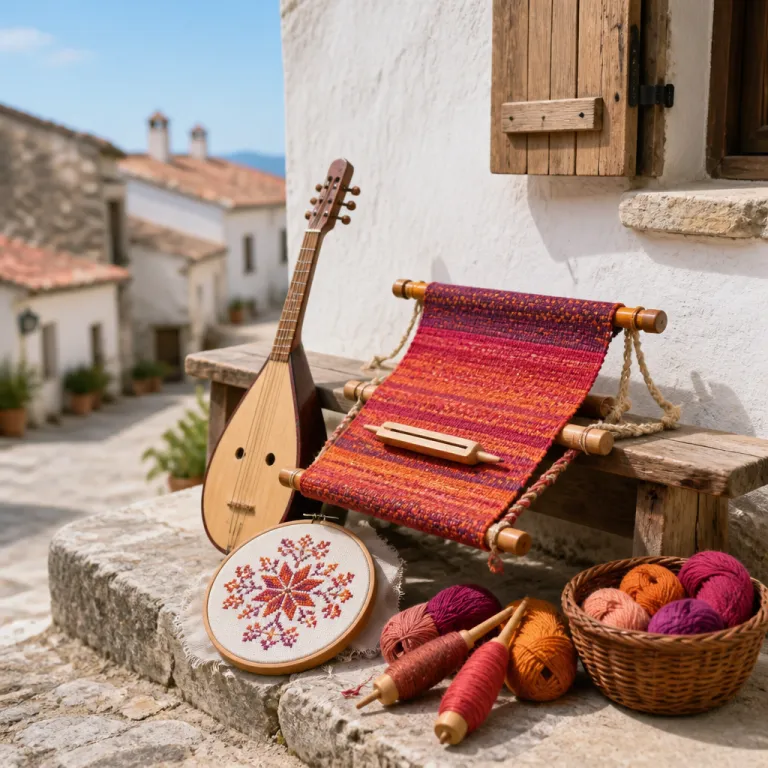
Why Arbëresh villages in Sicily belong on a luxury Palermo itinerary
Arbëresh villages in Sicily sit just beyond Palermo yet feel worlds away. For a traveler used to marble lobbies and rooftop pools, this is a different kind of luxury, where an intact ethnic group has quietly guarded its cultural heritage for five centuries. The reward is exclusivity through story and access, not through price.
In the hills of southern Italy above the Conca d’Oro, five Arbëresh villages form a discreet constellation of albanian history and Italian present. Piana degli Albanesi, Contessa Entellina, Santa Cristina Gela, Mezzojuso and Palazzo Adriano are close enough to Palermo for a half day, yet their arberesh community still speaks an albanian language that predates modern Albanian nationhood. Here, luxury travelers encounter a living bridge between Italy and Albania Kosovo, curated not by hoteliers but by families, priests and local authorities.
The Arbëresh story began when Christian albanians fled the Ottoman advance into Albania and the wider Balkans. Many followed leaders allied with Skanderbeg and were granted lands by the Kingdom of Naples, which then controlled much of southern Italy including Sicily. Over centuries, these albanesi and their descendants became Italian Albanian citizens, yet the arberesh identity, language and byzantine rite endured in parallel with Italian Catholic life.
Today, the Arbëresh villages in Sicily near Palermo are a case study in slow cultural tourism. Local municipalities and cultural associations coordinate festivals and guided tours to support the entellina society and similar groups, while tourism agencies help visitors navigate logistics. As one local resource puts it with clarity for first time visitors, “What is the Arbëresh language? A variant of Albanian spoken by Arbëresh communities.”
For guests staying in Palermo’s grand hotels, this context matters. A morning in Piana degli Albanesi or Contessa Entellina turns a standard city break into a historic city getaway, adding depth that rivals any palazzo museum. You return to your suite not just with photos of a church, but with a sense of how people have negotiated identity between Albania and Italy for half a millennium.
Piana degli Albanesi and Santa Cristina Gela: where language and liturgy shape the landscape
Piana degli Albanesi is the natural starting point for exploring Arbëresh villages in Sicily. Just 24 km from Palermo, this piana sits in a high basin ringed by limestone peaks, its lake and stone houses forming a striking counterpoint to the coastal sprawl. The town’s full name, Piana degli Albanesi, signals both geography and origin, reminding visitors that albanese settlers shaped this landscape as much as the wind.
Walk the main street and you will hear the albanian language in daily use, a Tosk dialect that preserves forms older than standard Albanian taught in Tirana or Pristina. Children slip between Italian and arberesh with ease, while elders in the arberesh community still prefer the older idiom, a living archive of modern Albanian history before it was written. Linguists often describe this as a rare case where an ethnic group in Italy has safeguarded a pre national language variant without state support.
The spiritual heart of Piana degli Albanesi is its byzantine rite church network. Step into the cathedral of San Demetrio or the church of San Giorgio and you will find an iconostasis separating nave and sanctuary, gold ground icons and liturgy sung in albanian and Greek alongside Italian. These churches are not museum pieces ; they are working spaces where people attend services that follow the Eastern tradition while remaining fully integrated into the Catholic Church.
Santa Cristina Gela, often shortened to Santa Cristina, offers a quieter, more rural version of the same story. Here, the Italian Albanian identity is woven into farm life, with families moving between fields, Palermo jobs and village festivals while still using arberesh at home. The small church dedicated to Shen Maria (Saint Mary) reflects the same byzantine rite aesthetic, though on a more intimate scale than Piana degli Albanesi.
For luxury travelers, these towns pair well with Palermo’s historic grand dames, many of which are profiled in our guide to Sicily’s historic luxury hotels. You might spend the morning listening to chants in an Arbëresh church, then return to a frescoed ballroom for aperitivo, carrying with you the sound of a language that predates the palazzo itself. That contrast, between urban opulence and rural continuity, is precisely what makes this detour feel so rare.
Contessa Entellina, Mezzojuso and Palazzo Adriano: quiet strongholds of Arbëresh cultural heritage
While Piana degli Albanesi often takes the spotlight, Contessa Entellina, Mezzojuso and Palazzo Adriano complete the picture of Arbëresh villages in Sicily. Contessa Entellina lies south of Piana, its name echoing both a noble title and the ancient site of Entella that once dominated these hills. Here, the entellina society and other local associations work to keep the arberesh language and customs visible in everyday life.
In Contessa Entellina, the main church dedicated to San Nicola follows the byzantine rite, with priests chanting in albanian and Italian during major feasts. The people of this town, like other albanians in Sicily, maintain a calendar of religious and cultural events that punctuate the year, from spring processions to autumn harvest celebrations. For visitors, guided tours and cultural workshops arranged through local municipalities offer a structured way to engage without intruding on private rituals.
Mezzojuso, sometimes referenced together with nearby Palazzo Adriano as Mezzojuso Palazzo in regional planning documents, presents a more mixed identity. Here, Italian and arberesh families have intermarried for generations, and the albanian language competes with Italian in the streets and schools. Yet the presence of churches following both Latin and byzantine rite traditions underlines how this ethnic group has negotiated faith and belonging since the Kingdom of Naples granted them land.
Palazzo Adriano itself, known to many cinephiles as the filming location for “Cinema Paradiso”, adds another layer to the Arbëresh story. Behind the famous piazza, you still find an arberesh community that traces its roots to Albania and, by extension, to Albania Kosovo through family ties and modern cultural exchange programs. Here, the church of San Nicola and other sanctuaries hold icons and liturgical objects that speak to centuries of shared history between Italy and the Balkans.
For travelers timing a broader circuit of southern Italy, these villages can be woven between Palermo, Agrigento and the Val di Noto. If your calendar already includes events such as the Noto flower festival, consider aligning your Arbëresh visits with local summer or autumn celebrations. The result is an itinerary where each stop, from baroque city to mountain town, reveals a different facet of Italian and albanian cultural heritage.
Easter, festivals and food: when Arbëresh life opens to guests
Timing your visit to Arbëresh villages in Sicily can transform a quiet architectural tour into a fully immersive experience. Easter in Piana degli Albanesi is the marquee moment, when women wear traditional embroidered costumes and process through the streets after the byzantine rite liturgy. The visual impact rivals any spectacle in Palermo, yet the atmosphere remains intimate, shaped by people who know each other by name.
Throughout the year, each town maintains its own calendar of religious and cultural festivals. In Piana degli Albanesi and Contessa Entellina, processions for San Giorgio, San Demetrio and other saints blend Italian Catholic and Arbëresh elements, with hymns sung in both Italian and albanian language. Santa Cristina Gela and Mezzojuso add smaller but no less meaningful events, from harvest blessings to concerts that showcase modern Albanian music alongside traditional arberesh songs.
Food is another gateway into this layered identity. Piana degli Albanesi is famed across Italy for its cannoli, which many Sicilians quietly rank among the island’s finest thanks to rich sheep’s milk ricotta from the surrounding piana. In Santa Cristina and Contessa Entellina, home cooks fold Balkan influences into southern Italy’s pantry, producing lamb dishes, filled breads and sweets that echo both Albania and Sicily.
For travelers who care as much about markets as museums, pairing an Arbëresh excursion with a deep dive into Palermo’s food scene works beautifully. Spend one day in the villages, then another following our guide to Sicilian markets, restaurants and food trails worth the detour. You will taste how the same ingredients shift character as they move from an arberesh community table to a contemporary trattoria in the city.
Behind these festivals and flavors lies a quiet push for sustainable cultural tourism. Local authorities, working with tourism agencies and cultural associations, are advocating for better connections between Sicily and Albania Kosovo, including direct flights that would make family visits and exchange programs easier. For the luxury traveler, this means that a visit now supports not only personal curiosity but also the long term vitality of communities that have balanced Italian and albanian identities since the days of the Kingdom of Naples.
From Palermo hotels to hilltop villages: logistics, etiquette and where to stay
Reaching the Arbëresh villages in Sicily from Palermo is straightforward, though it still feels like a small adventure. Piana degli Albanesi lies roughly 24 km from the city, a drive of about 40 minutes that climbs from sea level to a plateau framed by mountains. The road continues toward Santa Cristina Gela and Contessa Entellina, while separate routes lead to Mezzojuso and Palazzo Adriano.
Most luxury travelers base themselves in Palermo, where high end hotels offer the service standards and amenities that business leisure guests expect. From these properties, private drivers or tailored guided tours can be arranged to visit several villages in a single day, with time for a church visit, a walk through the historic center and a long lunch. Some itineraries also include a stop at the lake near Piana degli Albanesi, where the reflection of the surrounding piana and hills underlines how geography shaped this ethnic group’s settlement.
On the ground, etiquette is simple but matters. Dress modestly for church visits, especially during byzantine rite services, and ask before photographing people in traditional costume, whether in Piana degli Albanesi or in smaller communities like Santa Cristina and Contessa Entellina. Learning a few basic arberesh phrases or greetings, alongside Italian, is appreciated, even though most younger residents are comfortable in modern Albanian and standard Italian.
Guided tours, self guided walks and occasional cultural workshops are available through local municipalities and tourism agencies. These experiences often highlight how the arberesh language differs from standard Albanian, how icons in a church of San Demetrio or Shen Maria tell stories from both East and West, and how families maintain ties to Albania and Albania Kosovo today. For travelers used to curated museum labels, hearing these explanations from residents adds a different level of authority.
Ultimately, the luxury here is narrative depth. You leave Palermo’s polished hotel lobby for a few hours and return with a richer understanding of southern Italy, where Italian and albanian histories have intertwined since the Kingdom of Naples first welcomed these refugees. In a travel landscape obsessed with novelty, the Arbëresh villages near Palermo offer something rarer : continuity, held quietly in stone streets, layered languages and the steady rhythm of village bells.
FAQ about visiting Arbëresh villages near Palermo
What are the main Arbëresh villages near Palermo ?
The principal Arbëresh villages near Palermo are Piana degli Albanesi, Santa Cristina Gela, Contessa Entellina, Mezzojuso and Palazzo Adriano. These five communities form the core of the Arbëresh presence in this part of Sicily. Each village offers a slightly different balance of language use, religious tradition and festival life.
What is the Arbëresh language and how does it differ from standard Albanian ?
The Arbëresh language is a Tosk based variant of albanian preserved by Arbëresh communities in Italy since the late medieval period. It retains older vocabulary and pronunciation that differ from modern Albanian and standard Albanian used in Albania and Kosovo today. In daily life, speakers often move between arberesh, Italian and sometimes modern Albanian depending on context.
Which festivals are most interesting for visitors in these villages ?
Easter in Piana degli Albanesi is widely regarded as the most striking event, with byzantine rite liturgies and traditional costumes in the streets. Other important moments include patron saint feasts such as those for San Demetrio or San Giorgio, as well as summer and harvest festivals in Contessa Entellina, Santa Cristina Gela and Mezzojuso. Visitors should check dates with local municipalities or tourism agencies, as the calendar can vary slightly each year.
How much time should I plan for a visit from Palermo ?
A half day is enough to visit one Arbëresh village from Palermo, typically Piana degli Albanesi, including a church, a walk through the center and a meal. A full day allows you to combine Piana degli Albanesi with Santa Cristina Gela or Contessa Entellina, or to reach more distant villages such as Mezzojuso and Palazzo Adriano. Travelers interested in festivals or liturgies may want to plan an overnight stay in Palermo to keep their schedule flexible.
Is there much tourist infrastructure in the Arbëresh villages ?
Tourist infrastructure in these villages remains limited compared with major Sicilian destinations, which is part of their appeal. You will find basic services such as cafés, bakeries, small restaurants and some guest rooms, but not large luxury hotels or extensive shopping. Most high end travelers choose to stay in Palermo and visit the Arbëresh villages on guided excursions arranged through their hotel or a specialist agency.