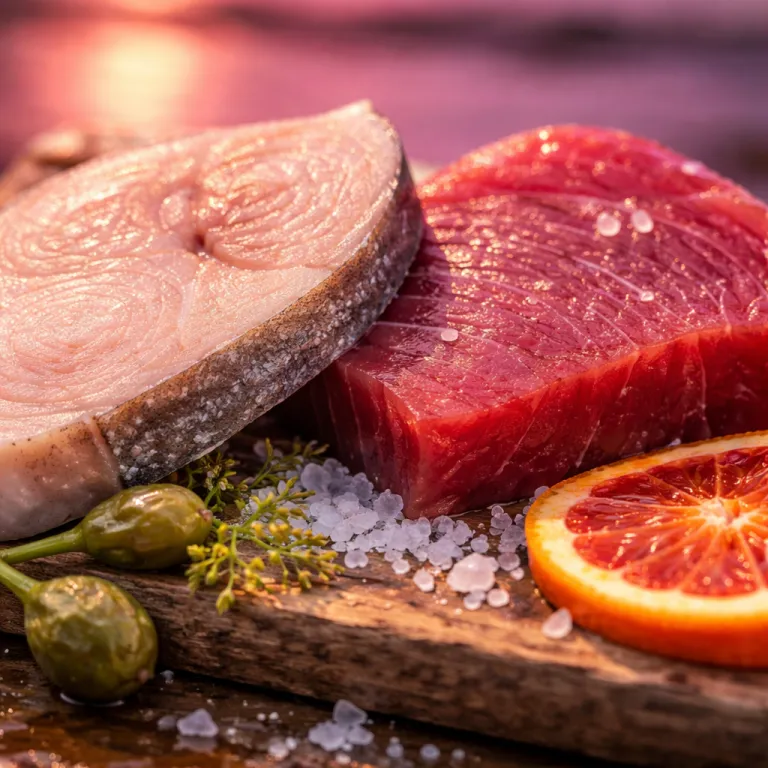
Sicily food trail west coast: where salt, sea and luxury stays align
The Sicily food trail west coast is not a marketing slogan, it is a precise stretch of shoreline where salt, swordfish and refined hospitality shape every meal. Along this part of western Sicily you will find grand palazzi turned into quiet luxury hotels, discreet wine resorts and a handful of design forward seaside retreats that understand solo travelers who plan their own travel and value free time as much as tasting menus. This is the corner of the island where a long day can move from a fishing boat at dawn to a Marsala cellar at dusk, with your hotel team quietly stitching together each tour, transfer and table.
Start by flying into Palermo Airport, where Palermo will feel like a natural first stop before you head west toward Trapani and Marsala for the core of your Sicily culinary journey. In the city you can book a walking tour that focuses on street food, tasting rice balls, panelle and spleen sandwiches before returning to a grand hotel terrace for an aperitivo that pairs food and wine from western Sicily with views over tiled rooftops. A well located hotel on the Palermo side of the historic center, such as Grand Hotel et Des Palmes or Rocco Forte Villa Igiea, will make it easy to meet guides early in the day and still be back in time for a late afternoon rest before dinner.
From Palermo the island opens up, and your day will quickly become structured around the sea, the salt pans and the next plate of seafood. Luxury properties along this coast understand that guests will meet local fishermen, salt workers and winemakers, so they curate private transfers and small group experiences rather than anonymous bus tours. When you book through a Sicily specialist such as a dedicated tour designer or high end travel advisor, you will find that each hotel on this route is chosen for its kitchen, its cellar and its ability to translate local culture into quietly attentive service, with many advisors drawing on data from regional tourism offices and consortia like Strada del Vino e dei Sapori di Sicilia Occidentale.
Trapani couscous, salt pans and grand hotel comforts
Trapani is the operational heart of the Sicily food trail west coast, a compact city where North African heritage and Italian ritual meet at the table. Here the signature dish is fish couscous, a deeply Sicilian interpretation of a Maghrebi staple, steamed in clay pots and served with a rich fish broth that reflects the daily catch of western Sicily rather than desert spices. Staying in a grand hotel on the waterfront, for example at NH Collection Trapani Crystal or a restored palazzo in the historic center, places you within walking distance of both the port and the medieval streets, so you can move easily between tasting menus and simple trattorie without sacrificing comfort.
Many travelers choose a hotel in Trapani as a base for a dedicated food tour that includes the historic salt pans stretching south toward Marsala. Local salt workers still rake and harvest sea salt using traditional tools, and guided tours explain how annual salt production in the Trapani area is estimated at close to 100,000 tonnes across roughly 10 active salt pans, according to figures cited by the Riserva Naturale Orientata delle Saline di Trapani e Paceco and regional tourism data. The best properties understand that guests will want to visit at different times of day, so staff arrange private drivers for sunrise photography, late afternoon golden light or an unhurried walking tour between windmills and mounds of white salt.
Within the city itself, lunch might be a plate of couscous with a glass of local white wine, while dinner could be a refined tasting menu that pairs raw red prawns with olive oil from nearby groves. If you are building a longer Sicily culinary itinerary that includes Etna or the Val di Noto, consider linking this coast with the island’s wine heartlands using insights from the new Sicilian wine route promoted by regional enotourism boards, which explains why wine travel is becoming the island's next luxury frontier. Over several days you will find that the combination of sea air, salt and precise hospitality makes Trapani feel less like a stopover and more like a destination city in its own right.
Mazara del Vallo, red prawns and the legacy of tuna
South of Trapani, Mazara del Vallo anchors the most characterful stretch of the Sicily food trail west coast, a fishing city where the Kasbah quarter and the port sit almost on top of each other. This is where the famed gambero rosso, the Mazara red prawn, lands in the early hours, and where solo travelers who plan their own travel will meet skippers, fishmongers and chefs who treat the product with near religious care. Booking a small design hotel or restored palazzo near the Kasbah, such as Mahara Hotel or a boutique B&B in the old town, allows you to walk from your room to the harbor in minutes, then back through alleys scented with grilled fish and spices.
Here the culture of tuna runs deep, from the historic tonnara buildings along the coast to the stories of the mattanza, the traditional tuna harvest once practiced around Favignana and San Vito Lo Capo. While the mattanza is no longer staged as a mass spectacle, many food focused tours explain its history and point you toward restaurants that work with line caught tuna in a way that respects both sustainability and taste. Local guides often note that bluefin tuna is typically in season from late spring to early summer, while swordfish appears more frequently on menus from May to September, and they will steer you toward kitchens that follow current sustainability guidance from Italian marine research institutes.
In Mazara, lunch might be raw red prawns dressed only with local olive oil and salt, while dinner could be a multi course tasting of tuna prepared crudo, grilled and slow cooked. Between meals you will find ample free time to wander the Kasbah, where Arabic script on walls and the rhythm of daily life underline how this corner of Italy has always looked toward North Africa. A well connected hotel can arrange a private walking tour that threads together street food stalls, family run trattorie and contemporary wine bars, and you may hear a fisherman echo the sentiment reported by local newspaper Giornale di Sicilia: “Qui il mare decide il menù del giorno” – here the sea decides the daily menu.
Marsala, salt pans and pairing food with wine by the lagoon
Between Trapani and Marsala, the landscape flattens into a chessboard of salt pans, windmills and shallow lagoon, one of the most photogenic segments of the Sicily food trail west coast. Luxury travelers often choose a countryside hotel or wine resort overlooking the lagoon, where rooms face west for sunset and the line between hotel and landscape feels deliberately blurred. From these bases you can join guided tours that move by small boat between the islets, stopping to walk along the salt pans and speak with workers who still harvest by hand.
Local operators and the management of the Stagnone di Marsala lagoon confirm that summer, during peak salt harvesting, is the best time to visit the salt pans, and that guided tours are available with some offering interactive experiences on the water. Many itineraries combine a visit to the saline with a tasting at a Marsala producer, where aged wines are paired with food that ranges from simple almonds and cheeses to more elaborate seafood dishes. A thoughtful hotel will coordinate timings so that you can enjoy a long day of visits without rushing, building in time for a swim or a nap before a late afternoon transfer to a cellar such as Cantine Florio, Donnafugata or Pellegrino for sunset views over the island speckled lagoon.
In Marsala town itself, the historic center offers a compact grid of streets ideal for a relaxed walking tour focused on aperitivo culture and street food. Here you will find bars that treat Marsala not as a dusty relic but as a versatile partner for both sweet and savory food, often pairing it with local rice balls, fried seafood and small plates that highlight the region’s olive oil. Choosing a central hotel in this city means you can move easily between tastings, dinners and the waterfront, while your concierge handles the logistics of transfers back to Palermo Airport or onward to the Valley of the Temples in Agrigento.
Designing a three day west coast itinerary with the right hotels
A well paced three day route along the Sicily food trail west coast starts in Palermo, then arcs through Trapani, the salt pans and Marsala before ending near Mazara del Vallo. On day one you arrive at Palermo Airport, check into a central hotel Palermo travelers like for its quiet rooms and attentive staff, then join an afternoon street food tour that introduces you to rice balls, panelle and seasonal fritters. After a short rest you will meet your guide again for a walking tour through the historic city, ending with dinner in a traditional trattoria where Sicilian home cooking sets the tone for the days ahead.
Day two focuses on western Sicily and the sea, with an early transfer to Trapani for a morning food tour of the market and a couscous lunch near the port. In the afternoon a private driver takes you along the coast to the salt pans and lagoon, where you can walk between mounds of salt, photograph windmills and learn how guided tours and self guided visits support sustainable tourism. You return to a grand hotel either in Trapani or Marsala for a relaxed dinner that pairs local food and wine, then enjoy free time on the terrace while staff confirm the next day’s timings.
On day three you travel south toward Mazara del Vallo, stopping at a Marsala producer for a tasting that links the region’s wines to its seafood culture. In Mazara you will meet fishermen or local guides who explain the port, the red prawn trade and the legacy of tuna, before a final lunch built around raw and cooked seafood. If you want to extend the trip beyond hotels into villas or rural palazzi, consult an insider guide to villas, agriturismi and palazzo suites across Sicily, then work with a specialist who knows the island well enough to align each property with your preferred pace, budget and appetite.
Choosing the right luxury base for a west coast culinary journey
For this stretch of Sicily, the most rewarding hotel choices are those that treat food as a central part of the stay rather than a side service. Look for properties where the chef shops daily at local markets, where the wine list leans heavily on western Sicily and where staff can arrange both formal tastings and informal meals with families or fishermen. On a practical level, you will find that hotels with strong concierge teams make it easier to secure last minute tables, coordinate transfers between city and countryside and adapt plans if the weather or sea conditions change.
Solo travelers often appreciate smaller grand hotels or restored palazzi, where it feels natural to eat at the bar, join a small group tour or ask for a tailored walking route between food stops. When comparing options, ask how the property integrates local culture into the stay, whether through cooking classes, visits to salt pans or introductions to winemakers and olive oil producers. Some hotels partner with local tour operators, fishing cooperatives and culinary schools, including well known names in the area such as Trapani’s fishing consortia and Marsala based wine tourism networks, reflecting a broader trend toward integrating traditional practices with modern tourism along this coast.
If you are combining this route with other parts of the island, consider how much time you want to spend in each city and whether you prefer to unpack once or move every day. A specialist platform dedicated to Sicily will help you balance grand hotel comfort with more characterful stays, ensuring that each day will feel coherent rather than rushed. Over several nights you will find that the rhythm of early market visits, long lunches, late afternoon swims and unhurried dinners becomes the real luxury, anchored by hotels that understand why you came to this part of Italy in the first place.
FAQ
What is the best time to visit the Trapani salt pans ?
The most atmospheric period to visit the Trapani salt pans is during the warmest months, when harvesting is in full swing and the mounds of white salt contrast sharply with the pink and blue water. Light is particularly beautiful at sunrise and in the late afternoon, when windmills and workers are silhouetted against the sky. If you want to photograph or understand the full production cycle, plan your travel for this peak season and ask your hotel to book a specialist guide or a visit coordinated with the Riserva Naturale Orientata delle Saline di Trapani e Paceco.
Are guided tours of the salt pans and fishing areas available ?
Guided tours are widely available along the west coast, especially around the salt pans between Trapani and Marsala and in the fishing ports of Mazara del Vallo. Local tour operators work closely with salt workers and fishing cooperatives to offer small group visits, boat trips and occasional hands on experiences. Your hotel concierge can recommend reputable partners and align tour times with your broader Sicily culinary itinerary.
Can visitors participate in fishing activities on the west coast ?
Some operators offer interactive experiences where guests join local fishermen on early morning outings, usually focused on observing traditional techniques rather than heavy participation. These trips are weather dependent and often limited to small numbers, so advance booking through your hotel or a trusted specialist is essential. If you prefer to stay on land, many food tours still include meetings with fishermen at the dock and tastings of their catch later in the day.
How many days should I plan for the west coast food trail ?
A focused itinerary along the Sicily food trail west coast works well over three to four days, allowing time for Palermo, Trapani, the salt pans, Marsala and Mazara del Vallo. With three days you can sample key dishes, visit at least one salt pan and one winery and enjoy both street food and fine dining. Adding a fourth day gives you more free time for the islands off Trapani or a detour toward the Valley of the Temples in Agrigento.
What should I pack for a culinary and salt pan focused trip ?
Comfortable shoes are essential, as you will walk on uneven surfaces in historic centers and along the edges of salt pans. Sun protection matters throughout the year, especially when light reflects off water and salt, so bring a hat, sunglasses and high factor sunscreen. For dinners in grand hotels or refined restaurants, pack one or two smarter outfits, but keep the overall wardrobe practical and easy to layer.