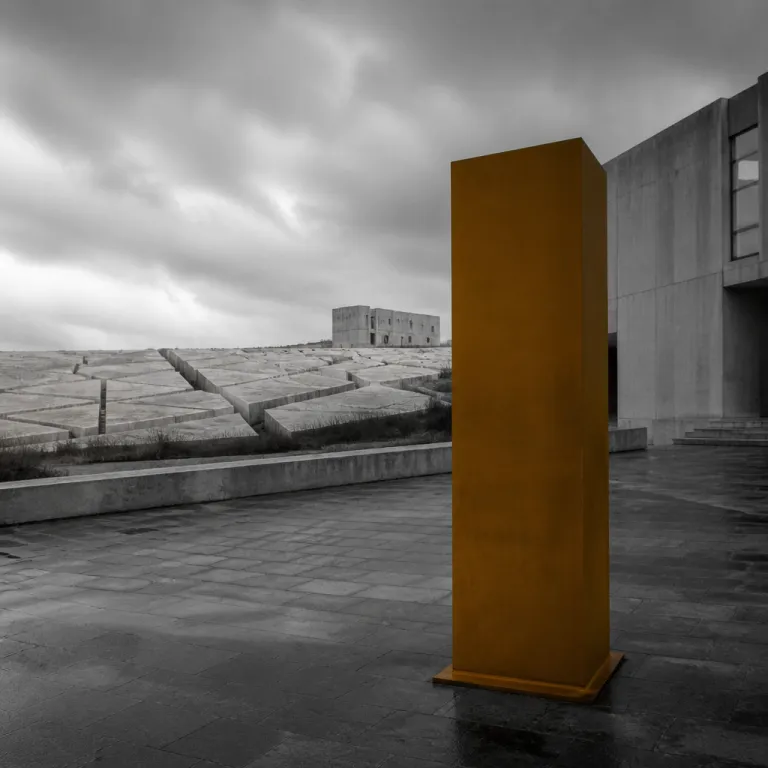
Gibellina contemporary art Sicily 2026 as a new cultural compass
Gibellina contemporary art Sicily 2026 signals a quiet shift in western Sicily. The official designation of Gibellina as Italy's Capital of Contemporary Art, announced in 2024 by the municipality in collaboration with the Italian Ministry of Culture and Fondazione Orestiadi, turns a little known town into a year long laboratory where exhibitions, performances and artist residencies will unfold across museums and public spaces. For travelers used to chasing beaches and wine estates, this capital contemporary moment adds a compelling cultural layer to any itinerary.
The municipality of Gibellina, supported by the Italian Ministry of Culture and Fondazione Orestiadi, will orchestrate more than one hundred contemporary art events across the city, according to preliminary program notes and institutional press materials. Officially, “What is Gibellina 2026?” is answered simply as “A year-long contemporary art festival in Gibellina, Italy.” but on the ground it means a dense calendar of exhibitions, open air installations and arts programming that aims to bring future energy into a place once defined by loss. Early projections from local tourism boards and Fondazione Orestiadi suggest the town could welcome around fifty thousand visitors over the season, a figure cited in regional planning documents and significant for a rural corner of Sicily.
This new status as an Italian capital of contemporary art rests on a powerful backstory. Gibellina was destroyed by the Belice earthquake and rebuilt as Gibellina Nuova, with mayors and artists deciding that arte contemporanea would be the engine of rebirth rather than nostalgic reconstruction. That decision turned the town into a museum contemporary experiment decades before the current event, effectively transforming streets and piazzas into a living gallery, and the 2026 program simply amplifies a long running conversation between architecture, sculpture and landscape.
From earthquake ruins to open air architectural manifesto
The old town of Gibellina lies several kilometres away from the new city, buried beneath Alberto Burri’s monumental Cretto. Walking the cretto today, you move through a concrete shroud that follows the street grid of the vanished town, a land art work that is both sculpture and memorial. For many travelers, this cretto Burri installation is the emotional anchor of Gibellina’s contemporary art story, and it frames every other encounter with culture in the area.
Burri’s cretto, sometimes called the Cretto di Burri, is one of the largest single artworks in the world and a rare example of a landscape scale piece that you physically inhabit. The blocks of white concrete rise around you like low walls, creating a system of paths that echo the sistema delle piazze and alleys of the lost town while the silence under the Sicilian sun feels almost liturgical. It is here that the story of an earthquake, a city and its future becomes tangible, and the Capital of Contemporary Art designation simply invites more visitors to read that story with care.
Luxury travelers often ask whether the cretto is worth the detour from Marsala or Trapani, and the answer is unequivocal. Allocate at least ninety minutes on site, ideally in the softer light of late afternoon, and wear shoes suitable for walking the uneven concrete surfaces that trace the old town. There is no formal ticket office at the cretto itself, but parking areas and basic visitor information are signposted, and this is not a quick photo stop but a slow encounter with Italian arts, architecture and memory that will stay with you long after you return to your hotel terrace.
Museums, piazzas and the quiet radicalism of Gibellina Nuova
Back in Gibellina Nuova, the contemporary city unfolds as a kind of open air museum where architecture and sculpture share the streets with everyday life. The plan of the town was shaped by architects and artists who worked with mayor Ludovico Corrao, turning ordinary public spaces into stages for contemporary art rather than mere traffic solutions. Walking these places, you sense how the Italian capital of contemporary art designation in 2026 is less a marketing slogan and more a recognition of decades of experimentation.
The Chiesa Madre by Pietro Consagra is the most striking example of this approach, a sculptural church whose perforated façade glows at different times of day and anchors one of the main piazzas. Around it, the sistema delle piazze connects a sequence of squares and walkways where works by Italian and international artists appear almost casually, from bold concrete forms to delicate interventions in stone and steel. This network of spaces will host many of the upcoming exhibitions and performances, including site specific projects and outdoor stages, turning the town into a living platform where visitors move between art, cafés and daily Sicilian life.
Inside, the Museo Arte Contemporanea Ludovico Corrao and the wider museo arte circuit deepen the story. These museum contemporary collections, often referred to collectively as contemporanea Ludovico Corrao, bring together Mediterranean arte contemporanea with a focus on cross cultural dialogue that feels particularly relevant in Sicily. Typical opening hours run from late morning to early evening with a weekly closing day, and modest entry fees or combined tickets are usually in place. If you are interested in how heritage buildings and five star hospitality can coexist elsewhere on the island, the reflections in this article on the palazzo paradox and heritage preservation offer a useful counterpoint to Gibellina’s more radical, purpose built architecture.
During Gibellina contemporary art Sicily 2026, these institutions will host a rolling program of exhibitions that respond to the town’s history and its role as a capital contemporary hub. Expect shows that weave together photography, sculpture and performance, with projects such as Gibellina Photoroad using the streets themselves as galleries and bringing large scale images into direct contact with residents and visitors. For luxury travelers, this means you can move from a private tasting at a Marsala winery to a curated evening opening in Gibellina, with the same level of attention to detail and atmosphere.
How to fold Gibellina into a western Sicily luxury itinerary
Reaching Gibellina is straightforward if you are already exploring western Sicily’s wine country or archaeological sites. Most travelers will fly into Palermo, collect a rental car and drive around ninety minutes south west to the town, often pairing it with Marsala, Trapani or the Selinunte archaeological park. Public transport exists but remains limited in frequency, with regional trains and buses requiring changes in nearby hubs, so a private transfer or self drive car will give you the flexibility that Gibellina contemporary art Sicily 2026 deserves.
From Marsala, the drive to Gibellina takes roughly forty minutes, while from the Trapani coast you should allow about fifty minutes, which makes a day trip entirely realistic. Many luxury guests choose to base themselves in coastal properties with strong spa and dining programs, then dedicate one full day to the cretto, the museo arte circuit and a slow wander through the sistema delle piazze in Gibellina Nuova. If you prefer to anchor your stay inland, a handful of refined agriturismi and wine estates within a thirty kilometre radius offer a quieter base with easy access to both the town and the surrounding countryside.
There are currently no large scale luxury hotels directly in Gibellina, which is why we generally recommend pairing the visit with high end stays in Marsala, Menfi or near Selinunte. This strategy lets you enjoy the full spectrum of western Sicily, from the open air art of the cretto to the sea facing terraces and cellar tours that define the region’s hospitality. For travelers who enjoy historic properties, the perspective offered in our guide to staying in storybook grandeur at castle hotels in Italy can help you decide whether to add a night in a fortified residence before or after your Gibellina day.
Plan your timing carefully around the Gibellina contemporary art Sicily 2026 calendar, as the opening ceremony, key exhibition launches and closing event will concentrate both visitors and programming. Booking accommodations early is essential during peak moments, especially if you want specific suites or villas in the most sought after coastal properties. Between major dates, the town settles into a calmer rhythm where you can engage more quietly with the art, the earthquake narrative and the way this Italian city has chosen to bring future possibilities into its streets.
Architectural inspiration for luxury travelers: why Gibellina matters now
For design focused travelers, Gibellina is less a single event and more a case study in how architecture, art and public policy can reshape a place. The decision by Ludovico Corrao and his peers to rebuild the town as a canvas for contemporary art rather than a replica of the pre earthquake streets was radical at the time. Walking through Gibellina Nuova during the Capital of Contemporary Art season, you see how that choice continues to bring future thinking into everyday Sicilian life.
The interplay between the Chiesa Madre, the museo arte spaces and the open air sculptures by figures such as Pietro Consagra creates a layered experience that rewards repeat visits. Some works sit prominently in piazzas, while others hide in quieter corners of the city, turning even short walks into informal exhibitions that shift with the light and your own attention. This is where Gibellina contemporary art Sicily 2026 becomes particularly relevant for guests who care about how hotels, museums and public spaces can form a coherent cultural landscape rather than isolated attractions.
Travelers who have enjoyed artisan focused routes in other parts of the island, such as the ceramics and traditional carts highlighted in our guide to the artisan trail through southeast Sicily, will find a different but complementary narrative here. Instead of workshops and kilns, Gibellina offers a network of museums, piazzas and the cretto that together form a kind of large scale atelier for Italian and international artists. As the year of programming unfolds, expect Gibellina Photoroad, site specific installations and new commissions to reinforce the town’s role as a capital contemporary reference point for anyone interested in how art can reshape a landscape scarred by an earthquake.
For luxury and premium hotel guests, the practical takeaway is clear. Build at least one full day in Gibellina into any western Sicily itinerary, align your visit with the exhibitions or performances that interest you most and let the town’s architecture recalibrate how you think about Italian arts beyond the usual Renaissance circuit. Gibellina contemporary art Sicily 2026 is not just another event on the calendar; it is a rare chance to see a city use contemporary art, from the cretto to the museo arte network, as a long term strategy to bring future possibilities into focus.
FAQ
What is Gibellina 2026 and why is it significant for travelers?
Gibellina 2026 is a year long contemporary art festival that marks the town’s role as Italy’s Capital of Contemporary Art, with more than one hundred events planned across museums and public spaces according to official communications from the municipality and Fondazione Orestiadi. For travelers, it turns a relatively unknown Sicilian town into a major cultural stop that can be combined easily with Marsala, Trapani and Selinunte. The focus on contemporary art, architecture and the legacy of the earthquake offers a very different experience from the island’s usual coastal resorts.
How do I get to Gibellina and how much time should I plan?
Most visitors fly into Palermo, then drive about ninety minutes to reach Gibellina, although private transfers can be arranged through high end hotels in western Sicily. From Marsala or the Trapani coast, the journey takes between forty and fifty minutes, which makes a day trip straightforward. Plan at least one full day to visit the Cretto di Burri, the museo arte circuit and the main piazzas, with extra time if a specific exhibition or performance is on your list.
Is Gibellina suitable for a luxury stay or better as a day trip?
At present, Gibellina itself has limited luxury accommodation, so most discerning travelers choose to stay in premium properties along the coast or in nearby wine country. Using Marsala, Menfi or the Trapani area as a base allows you to combine spa time, fine dining and vineyard visits with a focused cultural day in Gibellina. This approach gives you both the comfort of established five star hospitality and the intensity of a dedicated contemporary art immersion.
What should I not miss during Gibellina contemporary art Sicily 2026?
The Cretto di Burri over the ruins of the old town is essential, as it anchors the entire narrative of earthquake, loss and rebirth through art. In Gibellina Nuova, prioritize the Chiesa Madre by Pietro Consagra, the Museo Arte Contemporanea Ludovico Corrao and a slow walk through the sistema delle piazze to experience the open air sculptures. Check the official program for key exhibition openings, Gibellina Photoroad installations and any performances scheduled during your travel dates.
How does Gibellina compare with other art destinations in Sicily?
While cities like Palermo and Catania offer rich historical arts scenes, Gibellina stands out for its unified experiment in contemporary art and urban design born directly from the aftermath of an earthquake. The entire town functions as a kind of museum contemporary landscape, with architecture, sculpture and public spaces conceived together rather than added piecemeal. For travelers who have already explored the island’s baroque and classical heritage, Gibellina provides a sharp, modern counterpoint that deepens any Sicilian itinerary.
Sources
Gibellina 2026 official communications (Gibellina Municipality, Italian Ministry of Culture, Fondazione Orestiadi), including press releases on the Capital of Contemporary Art designation and preliminary program outlines
Fondazione Orestiadi and Museo Arte Contemporanea Ludovico Corrao institutional materials, exhibition catalogues and visitor information
Regional tourism data from Visit Sicily and local western Sicily tourism boards, including projections for visitor numbers and transport planning