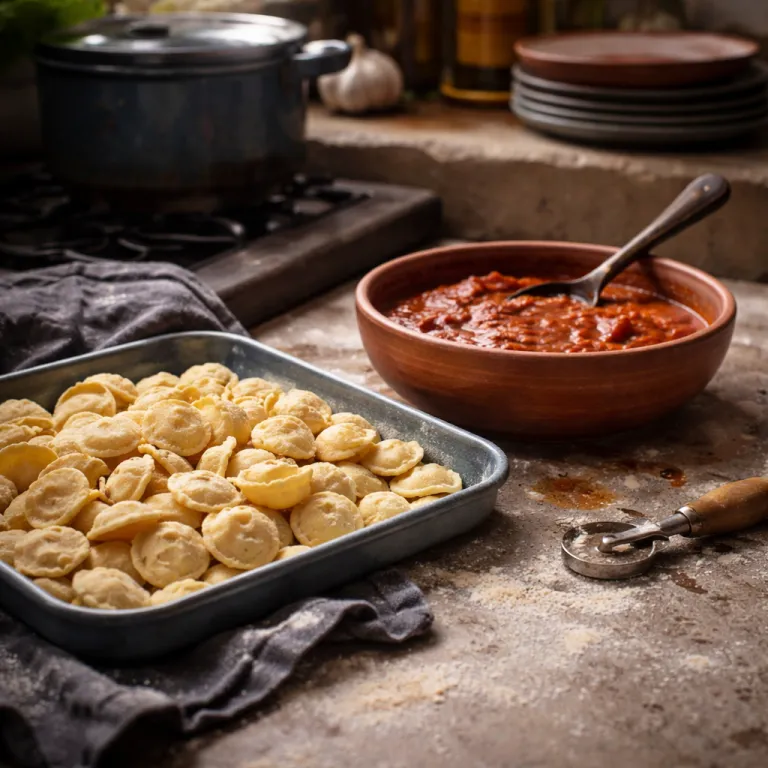
From hotel kitchen to home table in Sicily
A refined sicily cooking experience now often begins in your hotel lobby. Luxury properties across Sicily curate intimate cooking experiences that move guests from polished restaurant kitchens into private homes where traditional sicilian cooking still anchors daily life. For families planning a trip, this shift means your children can knead pasta beside a nonna rather than simply watching a chef plate food.
Across the island, around fifty dedicated schools and studios support this movement, and annual participants in Sicilian cooking classes now reach about ten thousand people. These numbers matter because they show how a once niche cooking experience has become central to premium travel, yet the best cooking hosts still cap participants to keep the atmosphere domestic and relaxed. When you book through a serious luxury and premium hotel booking website in Sicily, you gain access to vetted services that prioritise small groups, clear communication and reliable service from pick up to the final glass of wine.
The core of any memorable experience Sicily offers is the balance between instruction and hospitality. A tourist focused cooking class might rush you through pasta making and a quick tasting, while a home based session lingers over olive oil, food wine pairings and family stories. Ask your concierge whether the cooking classes they recommend include a market visit, hands on cooking food preparation and time at the table, because these elements transform a simple lesson into a layered sicily cooking experience.
Tourist cooking class versus genuine nonna experience
Not every cooking class in Sicily delivers the same depth of experience. In the most commercial settings, participants follow a scripted sequence, prepare two or three dishes and leave with a printed booklet of sicilian cuisine recipes. A genuine nonna led cooking experience, often arranged through high end hotels, feels slower, more personal and rooted in real domestic sicilian cookery.
In Palermo, for example, a class Palermo session with Mamma Corleone might start in the historic centre, where you walk past street food stalls before entering a quiet kitchen. Here, cooking classes unfold around a family table, and you learn recipes for arancini, caponata and fresh pasta while children shape dough and adults taste Sicily through local wine and olive oil. The hosts share that “Arancini, caponata, fresh pasta, cannoli.” are typically taught in Sicilian cooking classes, and this concise list captures the island’s essential flavours Sicily in one afternoon.
By contrast, some large group experiences in Palermo or Catania feel more like demonstrations than personal experiences, with limited interaction and little sense of heritage. When you book via a specialist platform focused on gourmet dining experiences through luxury and premium hotel booking websites in Sicily, you can filter for private or semi private groups and ask how many families share the kitchen on any given day. This is where a curated luxury and premium hotel booking website in Sicily becomes invaluable, helping you skip content heavy marketing promises and instead secure a cooking class that respects both your time and your children’s attention span.
Regional flavours Sicily and where to stay for them
Choosing the right base for your sicily cooking experience means thinking in regions rather than just cities. Western Sicily, around Trapani and Marsala, excels at couscous di pesce, salt pan tours and food wine pairings that highlight local Grillo and Marsala wine. Families who stay in coastal resorts here can arrange private experiences on working farms, where children see olive oil production before joining a cooking class focused on seafood couscous and simple sicilian food salads.
On the eastern side, Taormina and Catania lean into seafood, pistachios and the volcanic character of Etna’s wine, and the Villa Zuccaro Group in Taormina runs structured yet warm cooking classes that many hotels recommend. These sessions often combine pasta making with lessons in italy cooking techniques, blending traditional sicilian cookery with a few modern touches so older children stay engaged. A well organised luxury and premium hotel booking website in Sicily will highlight which properties partner with Villa Zuccaro Group or similar schools, allowing you to align your trip with the specific flavours Sicily you want to explore.
Palermo stands apart for its street food heritage, from panelle to sfincione, yet it also hosts refined palazzo dinners where a private chef guides you through sicilian cooking in candlelit courtyards. Here, a family might split the day between tasting street food with a guide and joining an evening cooking class Palermo style in a restored apartment, turning one day into two distinct experiences. When comparing hotels, look for services that mention market visits, home kitchens and access to local families, rather than only in house restaurants, because these details signal a deeper experience Sicily focus.
How luxury hotels curate authentic home based kitchens
High end hotels in Sicily have learned that guests now seek more than polished tasting menus. They curate networks of private hosts, from countryside farmhouses to urban apartments, where a trusted chef or home cook welcomes small groups for immersive cooking experiences. This model respects heritage while offering the level of service and safety that premium travellers, especially families, expect.
Serious properties vet each cooking class partner carefully, checking food hygiene, language skills and the ability to adapt to dietary needs, because many offer options ; inform in advance. They also coordinate logistics so your day flows smoothly, from hotel pick up to the final espresso, and this behind the scenes work is where a dedicated luxury and premium hotel booking website in Sicily truly earns its authority. When you read reviews, focus on personal experiences that mention attentive service, flexible timing and thoughtful touches like child sized aprons or simplified pasta making tasks for younger participants.
Some hotels go further, integrating wellness and gastronomy by pairing a morning spa session with an afternoon cooking experience that highlights light sicilian cuisine and seasonal vegetables. Others design multi day experiences where you follow the same family over several meals, gradually learning recipes that move from simple cooking food to more complex sicilian cookery. For travellers who care about both gastronomy and relaxation, resources such as this guide to elevating your spa experience in Sicily can help you align culinary plans with the right property profile.
Designing a family friendly Sicily cooking experience itinerary
Planning a family focused sicily cooking experience starts with honest assessment of your children’s patience and interests. Younger travellers often thrive in shorter, highly tactile cooking classes where they roll pasta, shape arancini and taste sicilian food in small bites rather than sit through long lectures. Older children and teenagers may enjoy full day experiences that combine market visits, cooking class instruction and extended meals with local families.
Begin by mapping your trip around two or three anchor experiences Sicily wide, such as a class Palermo session, a countryside olive oil farm visit and a seafood focused cooking class near Catania. Use your hotel’s concierge and a trusted luxury and premium hotel booking website in Sicily to compare services, paying attention to group size, language, and whether the host can adapt the cooking experience for different ages. Look for clear descriptions of what participants actually do, from pasta making to dessert preparation, rather than vague promises about “authentic food”.
Finally, balance structured cooking classes with unplanned food moments, like stopping at a roadside fruttivendolo or sharing granita on a hot day. These small encounters deepen your connection to sicilian heritage just as much as formal italy cooking lessons, and they give children space to process what they have learned. When you taste Sicily in both orchestrated and spontaneous ways, the island’s flavours Sicily, its food wine culture and its generous hosts will stay with your family long after the trip ends.
FAQ
Are Sicilian cooking classes suitable for beginners and children ?
Most sicilian cooking classes are designed for beginners, and many hosts explicitly welcome families with children. Schools such as Cooking Sicily and Mamma Corleone structure each cooking class so participants can follow simple steps while the chef handles complex tasks. When booking through a hotel or platform, ask about age recommendations and whether the experience is private or shared with other guests.
What dishes should I prioritise learning during a Sicily cooking experience ?
For a rounded sicily cooking experience, focus on arancini, pasta alla Norma, caponata and cannoli, which together showcase core elements of sicilian cuisine. Many experiences Sicily wide also include fresh pasta making and at least one seafood dish, especially near coastal cities. If you have specific interests, such as vegetarian cooking food or pastry, mention them when you book so the chef can adapt recipes.
How far in advance should I book a private home based cooking class ?
Home based cooking experiences with strong reputations often fill quickly, especially in peak travel seasons. Booking several weeks ahead through your luxury and premium hotel booking website in Sicily or directly via recommended services gives hosts time to plan ingredients and accommodate dietary needs. Last minute requests are sometimes possible, but you may have to accept less flexible timing or a different neighbourhood.
Do Sicilian cooking experiences accommodate dietary restrictions ?
Many hosts can adapt sicilian cooking menus for vegetarians, gluten free diets or other restrictions, provided they know in advance. As local operators confirm, “Many offer options; inform in advance.”, and this applies equally to hotel organised classes and independent schools. Always repeat your requirements when you arrive, so the chef can adjust recipes without compromising flavour.
How can I tell if a cooking class is authentic rather than mass market ?
Authentic experiences usually limit participants, include a market or producer visit and take place in real homes or small studios rather than large anonymous kitchens. Reviews that mention personal experiences, family stories and relaxed meals are a strong sign that the service values heritage over volume. When in doubt, ask whether the host is a local family or a rotating team of instructors, and choose the option that keeps your connection to Sicily as direct as possible.