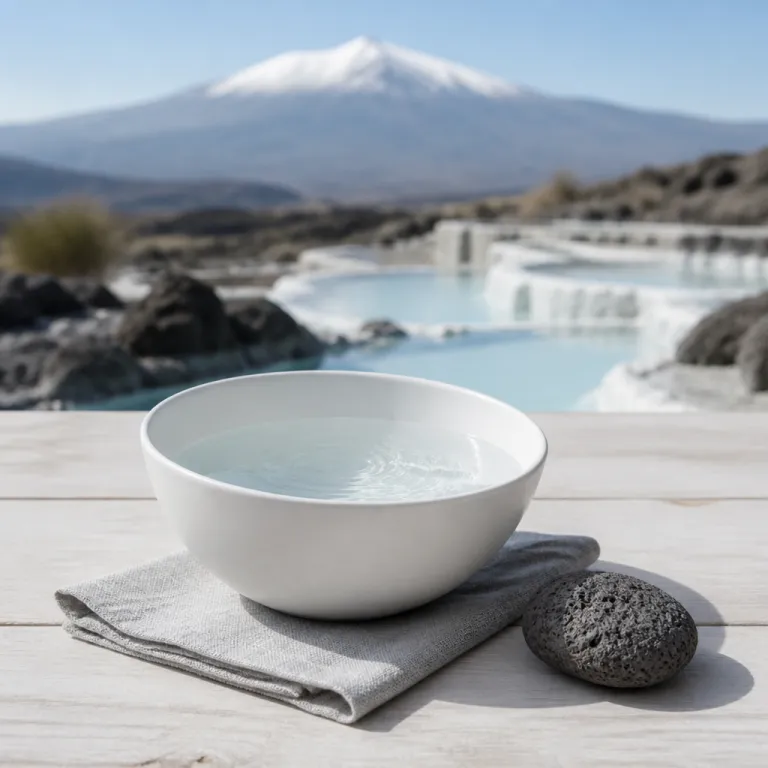
Etna’s geothermal heart: how volcanic forces shape Sicily’s thermal springs
Mount Etna rises to about 3,330–3,350 m above sea level, depending on the most recent summit activity (figures reported by Italy’s Istituto Nazionale di Geofisica e Vulcanologia), and acts as the beating geothermal heart of eastern Sicily. Beneath its slopes, rainwater filters through fractured lava, heats against shallow magma bodies, then returns to the surface as mineral rich thermal waters that define every serious spa-focused itinerary around Etna’s hot springs in Sicily. This constant circulation of hot water and gases explains why thermal springs, hot springs and even small mud volcanoes appear across the island, from the coast near Catania to the hinterland around Segesta and the legendary del Crimiso pools.
For travelers, that geology translates into a network of thermal baths and spa wellness retreats where the water composition changes subtly from one valley to the next. Some thermal waters are sulphurous and intensely aromatic, others are rich in bicarbonate or chloride, and each type of thermal water is associated with different wellness traditions and spa treatments. Around Mount Etna, the springs tend to be relatively hot, so you should always be aware of varying water temperatures and follow staff guidance when you visit any thermal baths Sicily experience.
The same tectonic forces that created the Aeolian Islands and the famous hot springs on Ischia also shaped the coastline between Taormina and Catania. Here, natural hot springs seep through black basalt, feeding rustic pools and more polished spa wellness complexes that use volcanic rock as both architecture and therapy. Local wellness centers and tourism boards now work together to integrate traditional bathing in thermal waters, mud treatments and sauna sessions into modern spa treatments, turning the wider island into a year round open air spa for couples who value both nature and design.
Terme di Acireale and the classical culture of Sicilian thermal baths
On the coast north of Catania, Terme di Acireale embodies Sicily’s long love affair with thermal baths. The complex sits above volcanic springs that have been used since ancient times, and recent renovations have refreshed the interiors while preserving the sense of a grand seaside terme dedicated to slow wellness. When you plan a visit, check spa availability in advance, because some wings of the terme operate seasonally and specific spa treatments must be reserved.
Inside, you move between indoor pools of thermal water, hydro massage stations and dedicated rooms for inhalation therapies that use finely diffused thermal waters. Couples often book combined spa wellness programs that include mud wraps, massages and time in a Finnish style sauna, creating a full Etna spa day without leaving the building. Staff will remind you that bathing in thermal waters, mud treatments and sauna sessions should be alternated with cool showers and rest, especially when the water is hot and mineral dense.
Terme di Acireale also works well as a base for exploring other corners of the island’s spa culture, from the historic thermal waters of Termini Imerese near Palermo to the more rustic thermal baths around Segesta. If you are choosing a hotel primarily for its spa, pair a morning at the terme with an overnight at one of the properties where the spa is the main event, using a specialist guide such as this curated hotel spa selection in Sicily. That way, your review of the area will include both the civic grandeur of a traditional terme and the intimacy of a design led spa wellness retreat.
Raw energy: Salinelle di Paternò, Caldera dei Faggi and Vulcano’s mud baths
If Terme di Acireale represents classical order, the Salinelle di Paternò show Etna’s wilder side. These mud springs sit inland from Catania and consist of bubbling pools where gas from Mount Etna pushes through clay rich soil, creating miniature craters and natural hot mud patches. They are not a structured spa complex, but they offer a vivid reminder that every hot spring and every pool of thermal water on the island is powered by the same deep volcanic engine.
Higher on the slopes, Caldera dei Faggi offers more traditional natural hot springs, with mineral pools set among vegetation and cooled by mountain air. Here, the contrast between hot springs and fresh breezes creates a gentle form of hydrotherapy that many couples find more relaxing than enclosed spa rooms, especially after a long day on tours Sicily that combine hiking and wine tasting. For a deeper reset built around hydrotherapy circuits, look to specialist retreats such as those featured in this guide to Sicilian spa retreats focused on water rituals.
Out at sea, the Aeolian Islands extend the same volcanic story, with Vulcano Island famous for its open air mud baths and shoreline fumaroles. The mud baths on Vulcano are a more rustic cousin to the terme on the main island, and some areas have historically been free hot zones where visitors wade into shallow thermal waters at the edge of the sea. Always check current safety advice before entering any hot spring or natural hot pool, because temperatures and gas emissions can change quickly in such a dynamic environment.
From ali terme to Segesta: mapping Sicily’s wider thermal circuit
While Etna dominates the skyline of eastern Sicily, the island’s thermal map stretches far beyond Catania. On the northern coast, the town often referred to as Ali Terme has long been associated with thermal waters that emerge close to the sea, creating a compact cluster of spa wellness hotels and public baths. Couples who combine an Etna hot springs spa break with a few nights here experience two very different moods of Sicilian geothermal bathing within one trip.
Further west, the area around Segesta and the so called terme segestane offers another chapter in the story. Here, the free thermal baths of Segesta, sometimes linked to the legendary del Crimiso springs, include pools where the water reaches around 47 °C according to regional spa data (for example, figures published by local tourism offices), making them some of the hottest thermal waters on the island. These natural hot pools sit in a rural landscape, and the contrast between the steaming water and the surrounding countryside feels worlds away from the urban rhythm of Palermo or the structured swimming pool decks of coastal resorts.
Along the same northern arc, Termini Imerese has its own tradition of thermal baths Sicily style, with historic buildings that once welcomed travelers arriving by sea into the gulf often called del Golfo di Termini Imerese. Today, many couples weave these stops into longer tours Sicily itineraries that also include the Aeolian Islands, using ferries to hop between islands and sample different expressions of volcanic water. The result is a multi stop wellness journey where each hot spring, each set of pools and each spa wellness hotel adds another layer to your understanding of the island’s geothermal character.
Hotel spas and spa treatments shaped by volcanic water and stone
Not every traveler wants to navigate wild riverbanks or rustic mud pools, and Sicily’s luxury hotels have responded with spa wellness spaces that bring volcanic elements indoors. Properties near Mount Etna often clad their spa walls in dark lava stone, using it as both insulation and design statement that anchors the Etna spa narrative. Some hotels integrate thermal water or sea based thalasso pools into their circuits, echoing the mineral richness of natural hot springs in a controlled environment.
Resorts such as ADLER Spa Resort Sicilia on the southern coast illustrate how thoughtful engineering can support this approach, with a thalasso swimming pool, Finnish and bio saunas, and volcanic rock cladding combined with heat pump energy recovery systems (details described in the resort’s technical materials). While not every property has direct access to thermal waters, many design spa treatments that use Sicilian clays, sea salt and volcanic sand to mimic the effects of natural hot mud and thermal baths. Couples can move from a hot stone massage using Etna basalt to a cool plunge pool, then into a steam room scented with local herbs, creating a rhythm that mirrors the contrast between hot spring and sea breeze on the open coast.
Eco focused resorts such as Sikania Eco Resort, which hosts a wellness centre of about 300 m² inside a protected nature area (as stated in the resort’s technical descriptions), show how spa wellness can coexist with environmental stewardship. Here, the emphasis is on low impact architecture and careful water use, aligning with the broader trend of increased interest in natural wellness and growth in eco tourism across the island. When you read a review of these properties, look for specific references to thermal water use, natural hot elements and integration with the surrounding landscape rather than generic spa language.
A two day Etna thermal itinerary for couples: from crater views to coastal terme
Designing a focused two day itinerary around Mount Etna allows couples to experience both raw geology and refined spa wellness. Start in Catania, then join a small group or private excursion that combines a morning hike on the lower slopes of Mount Etna with an afternoon visit to nearby natural hot springs such as Caldera dei Faggi. For curated options that blend crater walks, vineyard lunches and spa time, specialist operators compiled in guides like Taormina and Mount Etna private excursions for luxury travelers are a strong reference point.
After your mountain day, check into a coastal hotel between Catania and Acireale where a proper spa wellness area includes at least one heated swimming pool, a sauna and dedicated rooms for spa treatments. The next morning, walk or drive to Terme di Acireale for a half day immersion in structured thermal baths, alternating between hot pools, cooler showers and quiet relaxation rooms. This sequence lets you feel the difference between bathing in natural hot springs on the mountain and soaking in carefully calibrated thermal waters within a historic terme.
On your final afternoon, consider a leisurely drive along the coast, perhaps extending the trip toward Messina or looping inland toward the countryside that leads eventually to Segesta and the del Crimiso area. If time allows on a longer journey, you could continue west to explore the terme segestane or south toward eco resorts where spa wellness centres sit inside protected landscapes. Whether you stay on the main island or add a side trip to the Aeolian Islands or even Ischia, the unifying thread is the same: water heated by deep volcanic forces, shaped into experiences that range from free hot river pools to polished hotel spas.
Practical wellness guidance and safety around Sicilian thermal waters
Planning an Etna thermal springs Sicily spa focused trip means balancing romance with a clear understanding of how to use thermal waters safely. The geothermal systems around Mount Etna are considered stable, and local authorities monitor key sites, so the official guidance is that the thermal springs around Mount Etna are generally regarded as safe, but always follow local guidelines and consult spa staff. That advice applies equally whether you are stepping into a tiled pool at Terme di Acireale or edging into a rocky hot spring near a riverbank.
Thermal waters and hot springs can reach high temperatures, especially in areas like the del Crimiso pools near Segesta, so limit your time in the hottest baths to short intervals. People with cardiovascular conditions or low blood pressure should speak with a doctor before planning intensive spa treatments that involve repeated hot and cold cycles, and everyone should hydrate well between sessions. When you visit more rustic sites such as the Salinelle di Paternò or informal pools near the coast, avoid submerging your head in the water and never enter areas where gas emissions are visible or where locals advise against bathing.
From a practical standpoint, bring appropriate swimwear, simple water shoes for rocky pools and a light robe or cover up for moving between indoor and outdoor areas. Some natural hot pools and thermal baths Sicily wide are free hot access points, while others charge a modest entrance fee, and the dataset guidance is clear that some are free; others may charge a fee, so check specific locations for details. Finally, remember that increased interest in natural wellness and the revival of traditional spa practices mean that popular pools can feel busy at peak times, so early morning or late afternoon visits often provide the most tranquil atmosphere for couples.
Key figures from Sicily’s volcanic wellness landscape
- The elevation of Mount Etna is currently measured at roughly 3,330–3,350 m above sea level, with variations linked to recent eruptions (source: public geographic data and updates from Italy’s Istituto Nazionale di Geofisica e Vulcanologia).
- Thermal waters at the free thermal baths of Segesta, associated with the del Crimiso area, reach around 47 °C, placing them among the hottest accessible hot springs on the island (source: regional spa information published by local tourism offices).
- Wellness centres such as Sikania Eco Resort dedicate around 300 m² to spa wellness facilities inside protected nature areas, reflecting the growth of eco tourism linked to natural hot water experiences (source: resort technical descriptions and planning documents).
- Regional tourism boards report a steady increase in visitors choosing tours Sicily that include at least one thermal baths or spa wellness stop, aligning with the broader trend of increased interest in natural wellness and hydrotherapy based retreats (source: annual tourism statistics and destination reports).
Frequently asked questions about Mount Etna’s thermal springs and spas
Are the thermal springs around Mount Etna safe for bathing ?
Yes, but always follow local guidelines and consult spa staff. Official sites and established terme monitor water quality and temperatures, while more rustic hot springs require extra caution and attention to posted signs or local advice.
What are the main health benefits of Sicilian thermal waters ?
They may aid in relaxation, improve circulation, and alleviate certain skin conditions. The mineral content of each thermal water source varies, so some baths are traditionally recommended for respiratory issues, while others are valued for joint and muscle relief.
Do I have to pay to access natural hot springs in Sicily ?
Some are free; others may charge a fee. Check specific locations for details, because civic terme, hotel spas and managed thermal baths usually require tickets, while certain rural pools and riverbank hot springs remain freely accessible but lack services.
When is the best season to plan an Etna thermal springs Sicily spa trip ?
The thermal springs operate year round, but many couples prefer spring and autumn when air temperatures are mild and the contrast with hot water feels most pleasant. Winter can be atmospheric on Mount Etna’s slopes, while summer is ideal for combining shorter spa sessions with coastal swimming and island hopping.
How long should I stay in a hot spring or thermal pool ?
For most healthy adults, sessions of 10 to 15 minutes in hot springs or thermal baths, followed by a cool rinse and rest, are a sensible guideline. Listen to your body, avoid prolonged exposure to very hot water, and consult spa staff if you have any medical conditions or concerns.