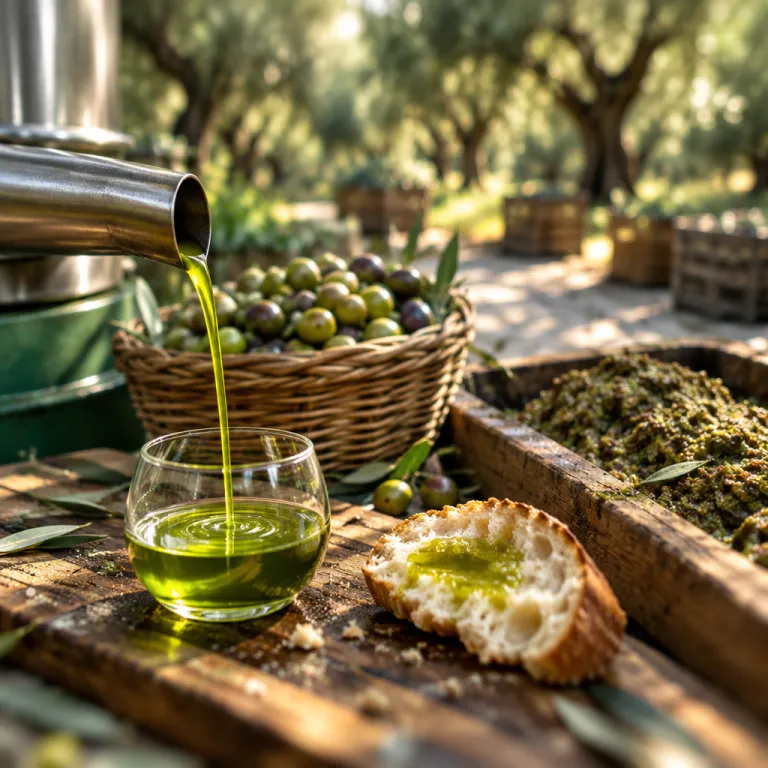
Olio nuovo season in Sicily: why this fleeting green gold matters
Olio nuovo is the first, just-pressed extra virgin olive oil of the production season, and in Sicily it feels closer to a harvest festival than a simple tasting. During these autumn days, usually from late October into November, mills such as Frantoi Cutrera in the Iblei and Planeta’s Capparrina estate near Menfi often run late into the night as freshly harvested olives from groves in the Val di Noto, the Iblei and the Belice valleys are rushed to the frantoio to protect quality and keep acidity low. For a traveler planning a stay, aligning your trip with Sicily’s new oil season will turn a standard countryside escape into a rare sensory immersion.
The best estates treat the olive harvest as a ritual, inviting guests to walk the rows at dawn when the air still smells of wild fennel and sea salt. You watch crates of fresh olive fruit arrive, then follow them into the mill where the paste turns from matte green to a glossy stream of premium extra virgin oil under the quiet hum of modern presses. This is where you first understand that Sicilian olive oils, like fine Italian wines, express terroir through every nuance of bitterness, spice and perfume, and that each year of the production season writes a different story in the glass.
On the tasting table, the newly pressed extra virgin olive oil looks almost electric, with a cloudy jade color that clears after a few days as sediments settle. One sip of this premium extra oil will hit the back of your throat with a peppery kick, then open into notes of tomato leaf, artichoke and green almond that feel intensely local and impossibly fresh. Because olio nuovo is unfiltered and made from freshly harvested olives, its sensory peak is brief, so serious food travelers celebrate it on the spot rather than waiting for bottles to cross the Atlantic.
From Nocellara to Tonda Iblea: terroir, DOP labels and tasting rituals
Sicily’s olive landscape is as varied as its volcanic geology, and understanding the main varieties will deepen your new oil harvest experience. In the west, around Castelvetrano, Nocellara del Belice olives give a round, almost buttery virgin olive oil, while in the southeast, Tonda Iblea near Ragusa produces extra virgin oils with piercing notes of tomato and herbs. Up near Mount Etna, where ash enriches the soil, you will taste olive oils with a darker, smoky edge that pairs beautifully with grilled vegetables and local cheeses.
Look for DOP labels such as Val di Mazara, Monti Iblei or Valli Trapanesi when you browse an estate’s olive oil line up, because these designations guarantee both origin and production standards, including maximum acidity levels and defined harvest zones. A serious frantoio will guide you through a dedicated tasting, starting with warm glasses of plain oil before moving to bruschetta, so you can isolate the sensory profile of each extra virgin sample. Expect to compare several oils from the same year, noticing how early harvest fresh olive fruit gives greener, more pungent notes, while slightly later harvest olives soften into rounder, sweeter oils.
The classic ritual is disarmingly simple yet quietly luxurious, and it fits naturally into a premium countryside stay. You stand at a long wooden table, rub the glass to warm the oil, then inhale deeply before sipping, letting the olio nuovo coat your palate while the mill’s machinery hums behind you. Many estates now pair this opportunity experience with chef-led lunches, where local cooks drizzle virgin olive oil over grilled bread, wild greens and slow cooked beans, echoing the plant-forward Sicilian ethos you might have read about in this guide to two Michelin-starred plant-forward dining on Vulcano.
Designing a luxury itinerary around the mill: where to stay and what to expect
For travelers using a luxury and premium hotel booking website in Sicily, the smartest move is to anchor at least a few nights near working estates that open their mills during the new extra virgin olive oil harvest. In the southeast, agriturismi and wine-and-oil estates around Noto and Modica often combine vineyard suites with access to their frantoio, so you can wake up among olives and spend your days moving between tastings and baroque towns. On the western side, properties near Menfi or Selinunte pair sea-view rooms with visits to inland groves, giving you both coastal light and the deep green of the countryside within the same few days.
When you book, ask very specific questions about the olive harvest schedule, whether guests can watch the pressing and if the property offers a dedicated olio nuovo tasting with freshly harvested oils. A serious estate will be transparent about which plots supply their premium extra virgin olive oil, how quickly they press after picking and whether they produce single-varietal olive oils or blends. This level of detail signals a house that treats olive oil with the same respect as wine, and it will shape a richer sensory experience for you than a generic farm visit ever could.
To round out your culinary route, thread in coastal food stops that speak to Sicily’s broader flavors, from granite and gelato in Catania to pistachio pastries in Bronte, using guides such as this piece on summer flavors that define Sicily. The contrast between icy sweets and warm bruschetta soaked in new olive oil will underline how each season on the island has its own edible signature. By the time you return to your room, the scent of olio nuovo on your hands will feel like the most intimate souvenir of the year’s production season.
Elevating your stay: sustainability, seasonality and how to taste like a pro
Luxury in Sicily is shifting toward estates that respect the land, and the autumn olive harvest sits at the center of that story. Properties that invest in organic groves, careful water use and low impact mills often lead the island’s sustainability push, a trend explored in depth in this guide to eco-conscious check-ins and sustainable Sicilian hotels. Choosing these addresses means your olive oil tastings will reflect not only superior quality but also a production season that protects soil health and biodiversity for future years.
Once you are at the mill, tasting like a professional is straightforward, and it will sharpen your appreciation of both single olive oils and blends. Start with a small cup of extra virgin olive oil, cover it with your hand, then swirl gently to release aromas before inhaling and sipping, letting the liquid coat your tongue while you note bitterness, fruitiness and that signature peppery finish. Repeat with several oils, including at least one olio nuovo and one more mature virgin olive oil, and you will quickly sense how freshly harvested olives translate into a brighter, more vertical flavor profile.
Back at your hotel, ask the bar or restaurant team to build a simple tasting flight so you can revisit the experience in a quieter setting, perhaps pairing a grassy olio nuovo with grilled vegetables and a softer oil with local fish. Over a few days, this dedicated attention to olive oil will change how you read menus, how you shop and how you stock your own kitchen once you return home. In a destination where travelers often chase Etna eruptions or ancient temples, choosing to celebrate the humble olive during its brief nuovo season might be the most quietly luxurious opportunity experience of your entire trip.
FAQ
When is the best time to plan a trip for olio nuovo in Sicily ?
The ideal window for experiencing the new Sicilian extra virgin olive oil harvest usually runs from late October into November, when most estates are pressing freshly harvested olives. Exact dates vary by region and weather, so confirm with your chosen property a few weeks before you travel, ideally by email or phone. If you want to watch the mill in full swing, aim for a stay of at least three or four days to allow for shifts in the harvest schedule.
What does Sicilian olio nuovo taste like compared with regular olive oil ?
Sicilian olio nuovo is typically greener, cloudier and far more intense than a standard bottled extra virgin olive oil you might buy at home. On the palate, you will notice vivid notes of tomato leaf, artichoke and green almond, along with a pronounced peppery kick at the back of the throat. This sensory profile softens over the year, which is why tasting at the source during the production season feels so special.
Can I visit an olive mill without staying overnight at an estate hotel ?
Many Sicilian mills welcome day visitors during the olive harvest, especially those that already host tastings for local clients and food professionals. However, luxury estates often reserve the most in depth experiences, such as walking the groves at dawn or joining a long farm lunch, for in house guests. If you are booking through a premium hotel platform, ask the concierge to arrange a dedicated mill visit that fits your itinerary, and check how long a standard tour and tasting will last.
How should I transport olio nuovo home after my trip ?
Because olio nuovo is sensitive to light, heat and oxygen, choose dark glass bottles or well sealed tins, then pack them in the center of your suitcase wrapped in clothing for protection. Keep the oil away from direct sunlight and avoid leaving it in a hot car during your travel days. Once home, store the olive oil in a cool, dark cupboard and aim to use it within a few months to enjoy its freshest character.
Is olio nuovo worth the higher price compared with other oils ?
For travelers who care about flavor and seasonality, olio nuovo usually justifies its premium extra cost, because it offers a fleeting snapshot of the year’s harvest at its most expressive. You are paying for rapid pressing, careful handling of fresh olive fruit and the expertise of producers who treat olive oils with the same seriousness as wine. If you mainly cook at high heat, save less expensive oils for frying and reserve your olio nuovo for finishing dishes, salads and simple bruschetta where its character can shine.
Sources
International Olive Council ; Consorzio di Tutela Olio Extravergine d’Oliva Monti Iblei ; Slow Food Italia.