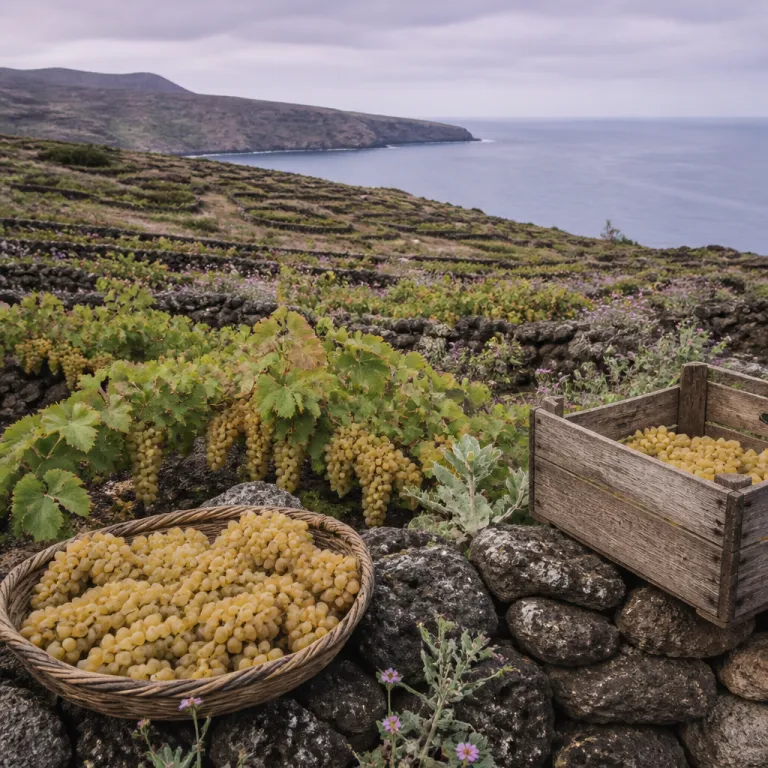
Pantelleria in September: where the wind shapes every grape
Pantelleria sits between Sicily and North Africa, a volcanic island where every grape fights the wind. In September the Pantelleria Zibibbo harvest September becomes the quiet climax of the season, when the landscape of dry stone terraces and low vines finally explains itself. If you are choosing between a classic Sicilian seaside escape and this raw outpost, the island will reward you with a front row seat to a living UNESCO ritual.
The traditional alberello method defines the pantelleria grape and the wider grape harvest here, with each vine trained as a low bush inside a shallow hollow. Growers carve these hollows into the volcanic soil to shield zibibbo grapes from the relentless wind that sweeps the south of Sicily, while the dry stone walls around each plot trap precious moisture. On Pantelleria the alberello practice was recognised by UNESCO as an Intangible Cultural Heritage because it represents one of the highest quality examples of human adaptation to a harsh island climate.
Walk the terraces at dawn and you see why pantelleria famous is not an exaggeration, as teams move quickly through the vines cutting ripe clusters by hand. The zibibbo grapes, a local expression of Muscat Alexandria, are destined either for fresh pantelleria wine or for the drying process that creates the island’s celebrated sweet wine. For a luxury traveller used to polished Sicilian food and wine experiences on the mainland of Italy, this raw grape harvest feels closer to a desert ritual than a standard tasting room visit.
September is also when the balance between heat and light favours both the grape and the guest, with warm seas and cooler evenings ideal for slow travel. While the largest crowds have already left Sicily, the island of Pantelleria keeps working, its capers and pantelleria capers drying beside the grapes on stone walls and terraces. If you time your stay for mid September, you will see both the grape harvest and the drying of caper buds side by side, a rare alignment of food, wine and landscape.
Inside the Zibibbo harvest: alberello vines, drying terraces and passito
The alberello vine on Pantelleria is pruned low, with branches radiating from a short trunk that sits inside a hand dug basin. This shape keeps each pantelleria grape close to the warm ground while the hollow protects the plant from the island wind, allowing zibibbo grapes to reach full, ripe concentration without losing moisture. When you walk between these basins during the Pantelleria Zibibbo harvest September, you understand how every centimetre of soil has been negotiated between human and nature.
Once cut, part of the grape harvest goes straight to the press for pantelleria wine, while the rest begins the drying process on raised racks or traditional straw mats. Here the zibibbo grapes shrivel slowly under the south Mediterranean sun, watched carefully so that the drying never tips into damage, and this is where the future passito pantelleria is decided. The result is a sweet wine with remarkable acidity, a style that has made Italy Pantelleria a reference point for dessert wines across Italy and beyond.
Producers talk about Muscat Alexandria as both a workhorse and a diva, because the same grape can give simple table wine or the complex pantelleria zibibbo depending on how it is handled. Labels such as Ben Ryé from Donnafugata have turned passito from Pantelleria into a global benchmark, yet the work behind each bottle still happens on these small terraces framed by dry stone walls. When you taste a glass of passito alongside local pantelleria capers and extra virgin olive oil, the food wine pairing tells the full story of this island in a single mouthful.
Luxury travellers often ask whether to prioritise a formal tasting or time in the vineyards, and on Pantelleria the answer is always both. Join a guided walk during the grape harvest to see the alberello method up close, then book a seated tasting where passito pantelleria is poured next to fresher pantelleria wine styles. If you are planning a wider cultural itinerary that includes classical performances at the Syracuse Greek Theatre, you can easily pair that mainland experience with a few slow days on this island, using the Syracuse Greek Theatre under the Sicilian stars guide as your reference.
Where to stay: dammusi, coastal pools and slow Sicilian food
Accommodation on Pantelleria revolves around the dammuso, a traditional stone dwelling built from thick lava blocks with white domed roofs. Many of the most refined properties have transformed these structures into high end suites, where dry stone walls frame private pools and terraces facing the south or west. For a solo explorer the best rooms feel like small, self contained houses, with outdoor kitchens that invite you to bring Sicilian food and wine back from the market.
Look for stays that sit within or beside working vineyards, because waking up inside the Pantelleria Zibibbo harvest September is the most direct way to feel the island rhythm. Some estates allow guests to join the grape harvest for a few hours, cutting ripe clusters or helping to lay zibibbo grapes on racks for the drying process, always under supervision. Others focus on curated tastings of pantelleria wine and sweet wine, pairing each glass with local caper spreads, grilled vegetables in olive oil and simple dishes that show why pantelleria famous has become a shorthand for purity of flavour.
When you are not in the vines, the sea becomes your second living room, with rocky coves rather than sandy beaches defining this island. Many luxury properties offer direct access to the water from platforms built into stone walls, so you can swim before breakfast and return to a table set with capers, tomatoes and fresh bread. If you are planning a longer Sicilian itinerary that includes quieter inland retreats, the guide to September in Sicily and the vendemmia helps you connect Pantelleria with other harvest season stays across Sicily.
Food on Pantelleria leans towards the essential, with grilled fish, couscous and vegetables dressed in local olive oil rather than elaborate restaurant theatrics. You will find small trattorie serving caper salads, roasted peppers and simple pasta dishes that let the ingredients speak, often paired with a glass of chilled pantelleria wine. For something to take home, visit a specialist wine shop that stocks passito pantelleria, pantelleria capers preserved in salt and bottles of olive oil, all of which carry the taste of this island long after September ends.
Beyond the vines: hot springs, Specchio di Venere and getting there
A trip timed to the Pantelleria Zibibbo harvest September is not only about wine, because the island’s volcanic heart shapes its wellness rituals too. Natural hot springs bubble up in rocky coves, where locals sit in warm pools carved into stone walls before plunging into the sea, creating an elemental spa without any marble. Inland, the Specchio di Venere lake offers mud baths and warm shallows, a place where you can float after a morning spent watching the grape harvest on the surrounding slopes.
Capers and pantelleria capers remain a constant presence as you move around the island, with caper bushes clinging to dry stone terraces and roadside walls. In September the caper harvest is mostly finished, but jars of preserved caper buds and caper leaves appear on every table, often alongside ripe tomatoes and grilled vegetables. Together with zibibbo grapes and olive oil, these ingredients form the backbone of Sicilian food on Pantelleria, a cuisine that feels both Mediterranean and subtly North African.
Reaching Pantelleria from mainland Italy is straightforward, with short flights from Palermo and Trapani complementing the overnight ferry. The flight shaves hours off your journey and suits travellers who want to maximise time in the vineyards, while the ferry appeals to those who prefer to arrive slowly, watching Sicily recede as the island appears on the horizon. Either way, late September offers the best balance of warm seas, active harvest and quieter roads, especially if you are combining this island with inland escapes such as the Madonie Mountains, which you can research through the dedicated Madonie Mountains family retreat guide.
For a solo traveller used to the polished resorts of mainland Sicily, Pantelleria feels like a deliberate choice rather than an easy default. You will trade sandy beaches for lava rocks, large resorts for dammusi hidden behind stone walls and predictable menus for food wine pairings that change with the day’s catch. In return, the island gives you front row access to a UNESCO listed agricultural practice, a glass of passito pantelleria at sunset and the sense that you have stepped into a quieter chapter of Italy that still revolves around the grape.
FAQ: Pantelleria, Zibibbo and September travel
When is the best time in September to see the Zibibbo harvest on Pantelleria ?
The most active period for the Pantelleria Zibibbo harvest September usually falls from early to mid month, when zibibbo grapes reach their ideal ripe balance of sugar and acidity. Harvest dates can shift slightly depending on the vintage, but planning a stay between the first and third week of September maximises your chances of seeing both picking and the drying process on terraces. If you want to join activities in the vineyards, contact your chosen property or estate in advance, because places for guests during the grape harvest are limited.
How does Pantelleria differ from other Sicilian islands for luxury stays ?
Pantelleria is more rugged than many Sicilian islands, with lava cliffs, dry stone terraces and dammusi instead of large beachfront resorts. Luxury here means privacy, stone walls framing private pools, direct sea access and close contact with the pantelleria grape and pantelleria wine culture rather than formal hotel glamour. For travellers who value authenticity, food wine experiences and the chance to witness a UNESCO recognised grape harvest, the island offers a deeper connection than more polished coastal destinations.
What should I look for when booking accommodation during the harvest ?
Choose properties that sit within or near vineyards, because they often offer views over the grape harvest and sometimes curated experiences in the fields. Look for dammusi conversions with good insulation, shaded outdoor spaces and access to a pool or the sea, as September days on the island can still be hot. If harvest participation matters to you, ask specifically whether guests can observe picking, visit drying terraces for zibibbo grapes or join tastings focused on passito pantelleria and other pantelleria wine styles.
Is Pantelleria suitable for solo travellers interested in food and wine ?
The island suits solo travellers who enjoy independence, as many stays feel like private houses with kitchens, terraces and easy access to local Sicilian food markets. You can spend mornings walking vineyard paths, afternoons at Specchio di Venere or the hot springs and evenings at small trattorie pairing pantelleria wine with capers, grilled fish and vegetables in olive oil. Car rental is strongly recommended, because public transport is limited and the most atmospheric wine shop visits, coastal coves and dammusi are spread around the island.
How can I bring Pantelleria’s flavours home after my trip ?
Most travellers leave with bottles of passito pantelleria or other pantelleria wine, jars of pantelleria capers preserved in salt and tins of local olive oil. A good wine shop on the island can advise on which sweet wine or dry styles travel best and how to store them, especially if you are flying back through mainland Italy. Pack capers and olive oil carefully in checked luggage, and remember that these ingredients, combined with simple Sicilian food recipes, will recreate the island’s flavours long after September.