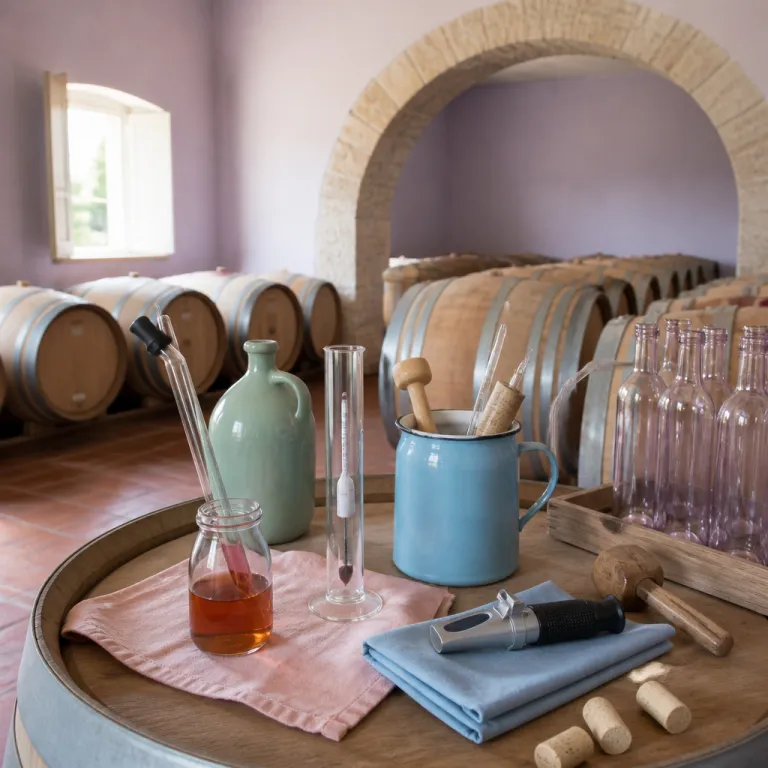
Marsala wine tasting in Sicily’s cellars: from supermarket shelf to DOC icon
Marsala in western Sicily was once spoken of in the same breath as the world’s great fortified wines. Over the years, aggressive industrial production, excess sugar and a focus on volume rather than high quality quietly shifted marsala wine toward the supermarket aisle and the cooking shelf. Today a new generation of producers in marsala Sicily is returning to the original wine style, using traditional barrels, native grape varieties and careful ageing to restore its reputation among serious italian wine collectors.
The story begins with English merchants who recognised that this coastal corner of western Sicily could produce a powerful fortified wine that travelled well by sea. They added wine spirit to still sicily wine, stabilising it for long journeys and creating a fortified style that sat comfortably beside Port and Sherry in European wine regions. Over many years, the DOC regulations for Marsala DOC tried to protect this heritage, but mass market fortified wines with high residual sugar levels diluted the image of both the wines and the territory.
What you taste in a serious Marsala wine tasting Sicily cellar today feels very different from the generic marsala used for cooking. You will encounter dry and semi dry fortified wines with layered aromas of citrus peel, roasted nuts and sea spray, shaped by long ageing in large barrels under the warm western Sicilian light. The best cellars now frame marsala wine as a complex italian wine that can open a meal as an aperitivo, pair with food in multiple courses and close an evening with the same gravitas as a mature spirit.
Inside the barrel rooms: Florio, Pellegrino, De Bartoli and Curatolo Arini
Step into the historic Florio winery on the Marsala seafront and you enter soaring barrel halls that smell of toasted oak, sea salt and candied orange. Here, rows of ancient barrels and casks hold fortified wine that has been ageing for years, some marked with chalk notes that quietly record the history of each blend. Guided wine tours lead you through the evolution of wine style, from lighter aperitivo marsala wines to dense, amber liquids with concentrated residual sugar and a savoury finish.
A short drive away, Pellegrino offers another perspective on Marsala DOC, with a focus on different grape varieties and precise control of residual sugar to shape both dry and sweet fortified wines. Their cellars highlight how grillo catarratto and catarratto inzolia grapes behave differently in barrel, and how the best producers manage oxidation to create complexity without heaviness. Tasting flights here often include both classic marsala wine and unfortified sicily wine, allowing you to compare wine regions and understand how fortified styles sit within the broader italian wine landscape.
For many connoisseurs, Marco De Bartoli’s estate in the countryside outside Marsala Sicily is the essential stop on any Marsala wine tasting Sicily cellar itinerary. De Bartoli pioneered single vineyard expressions and a more artisanal wine style, proving that high quality marsala wine could rival the world’s most respected fortified wines. Nearby, Curatolo Arini, one of the oldest family producers, offers intimate private wine appointments where you will taste limited releases in smaller barrel rooms, often paired with carefully chosen food to underline the wine’s versatility; for deeper context on estates where the vineyard sets the menu, see the dedicated guide to wine and dinner on Sicilian estates.
Planning your Marsala cellar visits: hours, tastings and private experiences
For a seamless Marsala wine tasting Sicily cellar day, planning around marsala hours and tour slots is essential. Large producers such as Florio and Pellegrino usually operate structured wine tours with fixed starting times, and you will often need to reserve in advance, especially if you want english language explanations of wine style, grape varieties and DOC rules. Expect standard tastings to last around ninety minutes, including a guided walk through the barrel rooms and a seated tasting of several wines with different levels of residual sugar.
Pricing for tastings in western Sicily varies according to the depth of the experience and whether food pairings are included. Entry level flights at major wineries typically include three or four marsala wines, sometimes alongside a still sicily wine, with small bites such as local almonds or aged cheeses to show how fortified wine behaves with food. High quality private wine sessions, often hosted by smaller producers or at estates like De Bartoli and Curatolo Arini, can extend over several hours and will explore older barrels, experimental wine spirit blends and rare bottlings that are not always available in regular wine tours.
Business travellers extending a stay in Marsala Sicily often prefer to arrange tailored tastings through their hotel concierge, who will coordinate transport, align marsala hours with meeting schedules and secure quieter time slots in the cellar. Luxury properties in the area increasingly work with wineries to create food wine experiences that begin in the barrel room and end with a multi course dinner built around different fortified wines. For a broader look at how gourmet dining experiences can be woven into a luxury itinerary across the island, consult our overview of gourmet dining via premium hotel booking in Sicily.
From aperitivo to dessert: pairing Marsala with Sicilian food
Understanding how marsala wine behaves at the table is the key to moving beyond its reputation as a cooking ingredient. Dry and semi dry fortified wines from Marsala DOC, often based on grillo catarratto or catarratto inzolia grapes, work beautifully as aperitivo wines with salty snacks, fried seafood and aged cheeses, where the wine’s residual sugar is barely perceptible. Sweeter styles, shaped by longer ageing in barrel and higher sugar levels, come into their own with desserts, blue cheeses and rich chocolate dishes.
In many western Sicily restaurants, sommeliers now treat marsala as a flexible food wine rather than a single course pairing. A lighter fortified wine with lower residual sugar might accompany raw red prawns or tuna crudo, while a more intense barrel aged style will stand up to slow cooked meat or game. For dessert, classic pairings include cannoli, almond pastries and citrus tarts, where the best marsala wines echo the flavours of candied orange, toasted nuts and caramelised sugar without overwhelming the food.
Luxury hotels around Marsala Sicily are increasingly designing tasting menus that trace the history of the wine across several courses. You might begin with a chilled, almost savoury marsala wine style alongside oysters, move to a mid range fortified wine with a main course of swordfish, then finish with an older, darker wine spirit expression served in small glasses with dark chocolate. To see how such curated experiences fit into a wider pattern of exclusive events and tailored stays across the island, explore our feature on exclusive events and tailored experiences in Sicilian luxury hotels.
Where to stay in western Sicily for a Marsala-focused itinerary
Choosing the right base in western Sicily will shape how you experience the Marsala wine trail. In Marsala Sicily itself, restored palazzi and seafront hotels place you within a short drive of major producers such as Florio, Pellegrino, De Bartoli and Curatolo Arini, making it easy to slot a Marsala wine tasting Sicily cellar visit between meetings or coastal walks. Many of these properties now curate private wine excursions that combine cellar tours, food pairings and visits to nearby wine regions producing still sicily wine from grillo catarratto and other grape varieties.
Just outside town, countryside estates offer a quieter setting among vineyards and olive groves, with views stretching toward the Egadi Islands and the salt pans. Properties in the Petrosino area, including reimagined nineteenth century bagli such as CDSHotels Baglio Basile, place you close to both the coast and the main marsala wine road, so you will spend less time driving between barrel rooms and more time tasting. High quality service standards, spa facilities and flexible marsala hours for transfers appeal strongly to business leisure travellers who want to balance work, relaxation and wine tours.
For those planning a three day itinerary, a smart strategy is to spend two nights in Marsala Sicily and one night further north toward Trapani or Erice. This allows you to explore additional wine regions producing sicily wine, sample different fortified wines and still wines, and enjoy contrasting food cultures in each town. When booking through a luxury and premium hotel platform, look for properties that explicitly mention partnerships with wineries, capacity for private wine events in house and staff trained to advise on food wine pairings built around marsala wine.
Designing a three day western Sicily route: Marsala, Mozia, Favignana and the salt pans
A well structured three day route in western Sicily can balance Marsala wine tasting Sicily cellar visits with coastal landscapes and archaeological sites. Start in Marsala Sicily with a morning tour at a major winery such as Florio, where you will walk through cathedral like barrel halls and taste several fortified wines that illustrate the evolution of wine style over the years. After lunch in town, an afternoon boat trip to the island of Mozia offers a change of pace, with Phoenician ruins and views back toward the mainland vineyards that supply many Marsala DOC producers.
On the second day, head toward Trapani’s salt pans, where the white mounds of sea salt echo the crystalline notes often found in high quality marsala wine. Combine a visit here with a stop at Curatolo Arini or another family winery inland, focusing on grape varieties such as grillo catarratto and catarratto inzolia that underpin both still sicily wine and fortified wine styles. Evening is best spent in a coastal restaurant where the sommelier will guide you through food wine pairings that show how different levels of residual sugar and barrel ageing affect the way marsala wines interact with seafood.
The final day can be devoted to Favignana, reached by hydrofoil from Trapani, where clear waters and relaxed beaches provide a counterpoint to the dim light of the barrel rooms. Many travellers choose to return to Marsala Sicily for a last private wine appointment, perhaps revisiting a favourite winery to taste a different flight or explore older barrels. By the time you leave western Sicily, you will have experienced marsala wine not as a generic cooking ingredient but as a nuanced italian wine, shaped by history, climate and the quiet work of producers who are redefining fortified wines for a new generation.
FAQ
Is Marsala only suitable as a cooking wine ?
Marsala began as a serious fortified wine and still functions that way in the best cellars. Dry and semi dry styles from Marsala DOC can be served as aperitivo wines or with savoury food, while sweeter versions work well with desserts and blue cheeses. Cooking marsala is usually a lower quality product, so tasting at wineries in western Sicily will show you how different high quality marsala wine can be.
How much time should I plan for a Marsala cellar visit ?
Most guided Marsala wine tasting Sicily cellar experiences last between one and two hours. This usually includes a tour of the barrel rooms, an explanation of grape varieties and production methods, and a seated tasting of several wines. If you book a private wine session with extended food pairings, you should allow at least half a day including transfers from your hotel.
Do I need a car to visit wineries around Marsala Sicily ?
A car offers the greatest flexibility for exploring multiple producers in western Sicily, especially smaller estates outside town. However, many luxury hotels can arrange private drivers or small group wine tours that handle logistics and allow you to taste safely. For business leisure travellers, concierge organised transport also helps align cellar visits with meeting schedules and preferred marsala hours.
What should I look for when choosing a Marsala to age at home ?
When selecting a bottle to cellar, focus on Marsala DOC labels from reputable producers such as Florio, De Bartoli, Pellegrino or Curatolo Arini. Drier styles with balanced residual sugar and clear information on grape varieties, ageing and barrel regime tend to evolve gracefully over the years. Your winery host can suggest specific cuvées that match your preferred wine style and storage conditions.
Can Marsala pair with savoury dishes, or only with dessert ?
Dry and semi dry marsala wines are excellent with savoury dishes, particularly seafood, aged cheeses and slow cooked meats. The key is to match the level of residual sugar and intensity of the fortified wine to the richness of the food. During tastings in western Sicily, ask to try different styles side by side so you can understand which combinations suit your palate best.