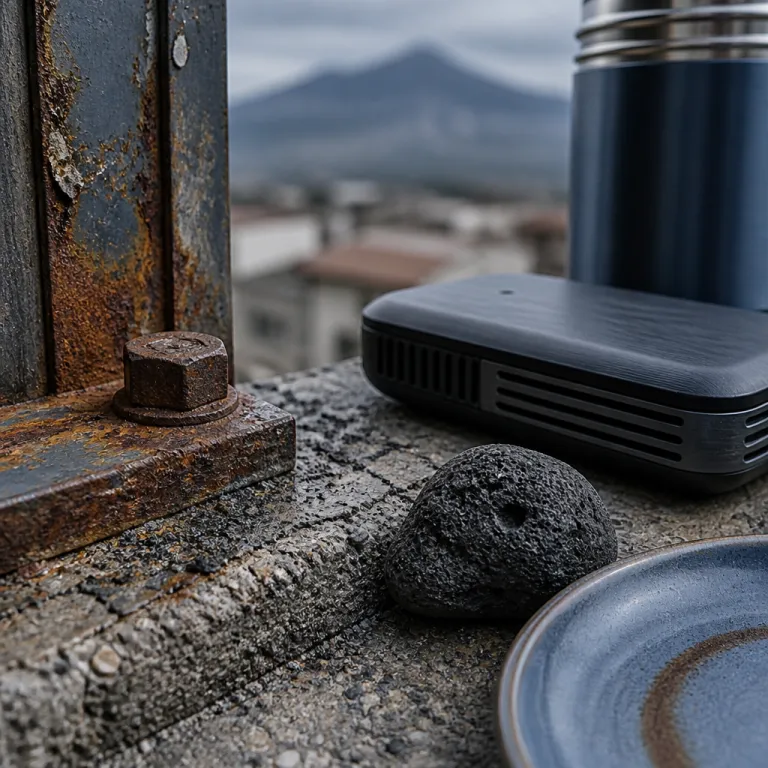
Why Sicily is finally ready for serious workations
Sicily has shifted from dreamy holiday backdrop to credible base for remote work. The island now offers a growing choice of Sicily workation hotel options and remote-work-ready retreats where executives can work remotely without sacrificing comfort or time-sensitive calls. For many remote workers, the combination of reliable internet, structured working spaces and access to stunning landscapes is becoming a decisive reason to travel here.
The time zone is a quiet advantage for anyone working with both the United States and the United Kingdom, because Sicily offers overlapping hours that make cross-continental meetings manageable without late-night marathons. Professionals who work remotely from Italy often find that the local pace of life encourages sharper focus during the day, then slower evenings in cafés or villas once the laptop closes. This balance between intense working sessions and relaxed Sicilian life is exactly what the mature workation trend demands.
Across the island, hotels have responded to the rise in remote work by investing in working spaces, stronger Wi‑Fi and air conditioning that can handle long video calls in summer heat. Average Wi‑Fi speeds in many Sicily workation hotel properties now reach around 40–60 Mbps according to recent guest speed tests shared on booking platforms and hotel websites, which is enough for most digital nomads and corporate teams. Before you book, always check the latest data with the hotel or ask for a screenshot of a recent speed test taken in a guest room or common area, because reliable internet remains the single non‑negotiable for any serious digital nomad or executive on an extended stay.
Etna facing retreats: where to work with volcano views
The north‑eastern flank of Mount Etna has become a quiet favourite for remote workers who want scenery without the Taormina crowds. Around Linguaglossa, three properties stand out for a Sicily workation hotel stay that combines Etna views with calm working spaces and easy access to outdoor activities. These hotels sit close enough to the volcano for dramatic sunsets, yet far enough from the coast to keep daytime noise low.
Ramo D'Aria, Il Nido dell'Etna and the Etna Hotel each approach the work‑and‑holiday balance differently, but all offer modern rooms, air conditioning and the kind of reliable internet that remote work requires. Recent listings describe Wi‑Fi throughout the property and, in some cases, small meeting rooms or business corners suitable for calls. Some provide dedicated working spaces or small lounges, while others convert quiet corners of their Sicilian house‑style salons into ad hoc coworking spaces during the day. One manager at Ramo D'Aria notes that “most guests can comfortably run video calls from their rooms or the shaded terrace, even in high season,” and a 2025 guest review mentions a stable 50 Mbps connection during a week of daily Zoom meetings. The official guidance is clear for anyone planning to work remotely here: check Wi‑Fi speeds before booking, inquire about quiet work areas, and confirm room views if scenery matters to your focus.
From these Etna hotels, you can explore the wine roads, hike craters between calls and still be back at your desk before the New York office wakes up. Remote workers who prefer a more urban rhythm can base themselves between Palermo and Catania, using the Palermo–Catania axis for quick travel to meetings while keeping a countryside base near Etna for weekends. For a more city‑focused stay with an elegant feel and strong work infrastructure, look at this guide to where to stay in Catania for an elegant city escape, then pair it with an Etna‑side retreat for a twin‑base month.
Seaside workations: from Palermo to the Ragusa coast
Along the coast near Palermo, a new generation of Sicily workation hotel addresses is rethinking what a Sicilian seaside escape can be for remote workers. Here, executives can work remotely from sea‑facing rooms in restored villas or contemporary homes in Sicily, then step straight onto the sand once the last call ends. The best properties combine quiet working spaces with shaded terraces, so you can move between laptop and lunch without losing the thread of your day.
South of Palermo, the coastline between Ragusa and the sea has become a discreet magnet for digital nomads who want resort‑level downtime without losing professional focus. High‑end developments on the Costa Ragusa offer villas and apartments with reliable internet, air conditioning and access to pools, golf and long beaches, which makes them ideal for extended stays. A two‑bedroom apartment with workspace and shared pool access here can start around €1,600–€1,900 for a mid‑season week according to recent owner quotes, with longer stays often discounted, and these mid‑season weekly rates can undercut comparable hotel suites, especially for guests staying ten nights or more. For a deeper look at this stretch of coast, including new luxury projects that suit remote work, study this insider guide to Costa Ragusa and its new luxury between Ragusa and the sea.
Water quality and outdoor activities matter when you plan to stay several weeks, because they shape your non‑working hours as much as any café culture. Sicily offers an increasing number of Blue Flag beaches, and the island now counts more certified stretches of sand than ever according to the latest official listings from the international Blue Flag programme, which is good news for digital nomads who swim daily before work. To understand which coastal areas combine clean water, calm bays and a refined atmosphere for remote workers, the analysis of Sicily's expanding Blue Flag beaches is a useful starting point.
Shoulder seasons, pricing and the case for longer stays
For serious remote work, the best Sicily workation hotel stays usually happen outside peak summer. September to November and March to May bring softer light, fewer crowds and more affordable weekly rates, while the sea often stays warm enough for a quick swim between meetings. This is when the island's rich history and quieter cafés feel most accessible, and when remote workers can move through cities like Palermo or Catania with less stress.
Travel data shows that guests now prefer seven‑ to ten‑night single‑base stays over frantic city hopping, which aligns perfectly with the needs of digital nomads and executives on extended assignments. Once you pass a week, many hotels quietly shift from nightly pricing to more interesting extended‑stay structures, especially if you combine a room with access to meeting or coworking spaces. Some resorts, such as Picciolo Etna Golf Resort, have invested in renovated meeting rooms and private villas for longer working holidays, and they sometimes offer early‑booking discounts for multi‑week stays when demand is softer in the shoulder seasons; recent promotional material has highlighted reductions of 10–20% for stays of fourteen nights or more.
When you evaluate value, think beyond low‑cost nightly rates and look at the total package of working spaces, reliable internet, air conditioning and access to outdoor activities. A slightly higher nightly price at a Sicily workation hotel with strong infrastructure can be more affordable overall than a cheaper room where you end up paying for cafés, coworking spaces and constant travel. Remote workers who plan carefully often secure a better balance between cost, comfort and productivity, especially if they are flexible with arrival dates and open to inland locations near Mount Etna or the Valley of the Temples.
Designing your ideal Sicilian work life rhythm
A successful workation in Sicily starts with clarity about how you actually work. If your day is meeting‑heavy, prioritise a Sicily workation hotel or serviced apartment with dedicated working spaces, quiet rooms and guaranteed reliable internet rather than just a pretty terrace. When your schedule is more flexible, you can lean into homes in Sicily or villas where the living room becomes your office and the garden your decompression zone.
Many digital nomads and remote workers now design their Sicilian stays around a simple rhythm: focused work in the morning, then outdoor activities or cultural visits in the afternoon. From Palermo, you can explore the rich history of Arab‑Norman architecture between calls, while in the south you might walk among ancient Greek temples in the Valley of the Temples after closing your laptop. Cafés in larger cities are improving their digital infrastructure, but for sustained working it is still wiser to treat them as a change of scene rather than your primary office.
Whether you identify as a digital nomad or a more traditional executive, the island rewards those who respect its slower pace of life. Sicily offers a rich mix of working environments, from quiet coastal houses to Etna‑side retreats, and the best stays weave work, travel and daily rituals into one coherent routine. The goal is not to recreate your office in Italy, but to let Sicilian light, food and landscapes gently reshape how you think about work and life.
FAQ
Do Sicily hotels really have reliable Wi‑Fi for remote work?
Many higher‑end hotels in Sicily now advertise Wi‑Fi speeds around 40–60 Mbps, which is generally enough for video calls and cloud‑based work. Reliability still varies by property, so always ask the hotel to confirm typical speeds in both rooms and working spaces before you book. For longer stays, request a room close to the router or ask whether wired connections are available, and if possible request a recent screenshot of a speed test taken at the time of day when you usually work.
Which areas of Sicily are best for a quiet workation with sea access?
The coasts near Palermo, the Ragusa area and parts of the eastern shoreline near Catania balance sea access with calmer atmospheres. These regions offer a mix of villas, homes in Sicily and resort‑style hotels where you can work remotely without constant noise. Look for properties slightly set back from main promenades, as they tend to stay quieter during the day and still keep the beach within a short walk or cycle.
Do Etna view hotels offer proper workspaces or just scenery?
Several Etna‑side properties now combine views with practical working spaces, including lounges, small meeting rooms and shaded terraces with power outlets. Some hotels near Mount Etna also provide access to renovated meeting facilities aimed at corporate guests on extended stays, and a few list specific capacities and equipment such as projectors and conference call setups in their brochures. Always ask whether these spaces are available during the day and whether there are extra costs for using them.
Are there extra fees for using hotel coworking or meeting spaces?
Policies differ widely between hotels, even within the same region. Some Sicily workation hotel properties include access to quiet corners or lounges in the room rate, while others charge for formal meeting rooms or dedicated coworking spaces. When you request a quote, ask the hotel to specify any additional costs related to remote work, including printing, coffee service and late checkout, so you can compare like‑for‑like offers.
Is a workation in Sicily suitable for families with school age children?
Many villas and larger hotels in Sicily can accommodate families who combine work and holiday time. Parents can work remotely from dedicated corners or shared working spaces while children enjoy pools, outdoor activities and cultural visits such as the Valley of the Temples. The key is to choose a property with enough space, strong Wi‑Fi and clear separation between work zones and play areas, and to confirm in advance whether kids' clubs or supervised activities are available during core working hours.