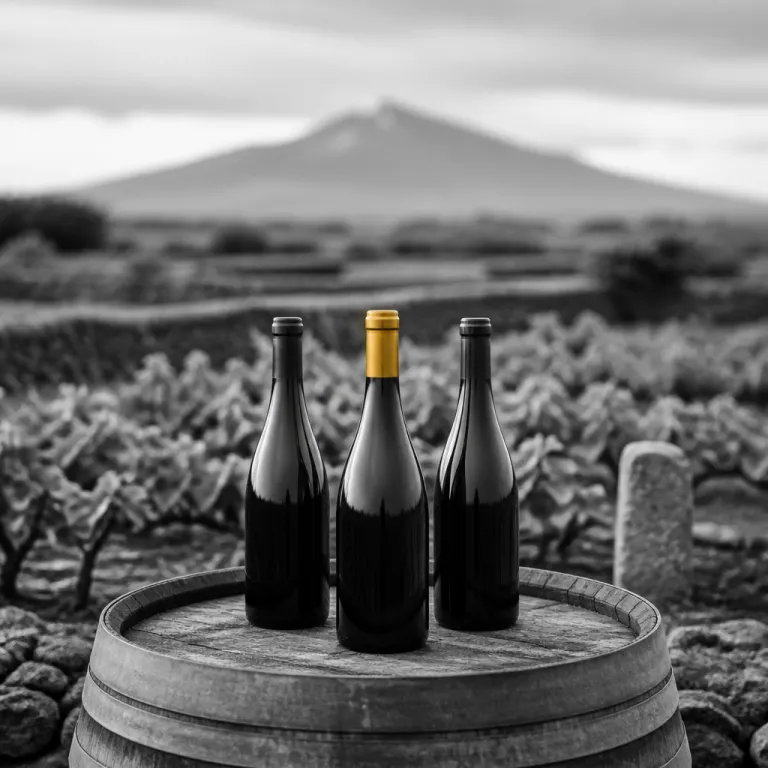
Etna DOC wine contrade and why they matter for luxury travellers
On the north and eastern slopes of Mount Etna, the word contrada signals far more than a pretty vineyard name. It marks a historic single vineyard or cluster of vineyards, carved by lava flows and terraces, that shapes how Etna DOC wine contrade express red and white wines in the glass. For travellers booking high end countryside villas in north east Sicily, understanding these contrade turns a pleasant tasting into a precise reading of volcanic terroir.
Each contrada sits at a specific altitude, with vines often between 500 and 900 metres above sea level. Those elevations, combined with porous volcanic soils, give Etna wines their hallmark high acidity, fine tannins in Etna Rosso and a salty edge in Etna Bianco that serious collectors now chase across Italy. When you see a contrada name such as Calderara Sottana or Feudo Mezzo on an Etna DOC label, you are looking at the volcanic equivalent of a single vineyard cru in Burgundy.
For a luxury base, countryside villas near the north side of Etna place you close to many of the most prized Etna DOC wine contrade. From these villas you can move easily between vineyards producing Etna Rosso DOC from Nerello Mascalese and Nerello Cappuccio, and estates focused on Carricante driven Etna Bianco DOC and Bianco Superiore. Choosing a villa with a knowledgeable concierge means your wine production visits can be timed around private tastings, traffic on the volcano and your own schedule rather than the tour bus rhythm.
On labels, look first for the broader Etna DOC, then the colour designation such as rosso, bianco or rosato, and finally the contrada name. Many estates now highlight whether the wine comes from a single vineyard parcel or a blend of several contrade, which matters if you are cellaring Etna wines alongside other Italian reds. For countryside stays, that same label literacy helps you brief your villa host so the cellar is stocked with the exact Etna Rosso, Etna Bianco or natural wine styles you want waiting after a day on the slopes.
From lava flows to the glass: how Etna's slopes shape rosso and bianco
Etna’s vineyards wrap around the volcano in a broken ring, with the most historic Etna DOC wine contrade concentrated on the cooler north and north east flanks. Here, old year vines of Nerello Mascalese and Nerello Cappuccio for Etna Rosso grow on black terraces that were carved years ago from ancient lava flows. The same terraces often host Carricante for Etna Bianco and Bianco Superiore, giving a rare chance to taste red and white wines from the same contrada in a single flight.
Altitude is your first clue when reading a label or planning a visit from a countryside villa. Lower vineyards closer to the sea tend to give slightly riper red Etna wines with softer tannins, while higher single vineyard parcels near places like Calderara Sottana or Feudo Mezzo deliver tighter structure and striking high acidity. For collectors, those higher sites often age gracefully for many years, which is why Etna Rosso DOC from serious contrade now sits beside Barolo and Brunello in many American cellars.
The soils are equally varied, even within a single contrada, because different eruptions laid down different layers of ash, sand and stones. Walk through vineyards around Palmento Costanzo or other historic estates and you feel how quickly the ground shifts from fine volcanic sand to fist sized basalt, sometimes within a few metres. That patchwork helps explain why two Etna Bianco DOC wines from Carricante grown in neighbouring vineyards can show very different profiles of citrus, herbs and saline minerality.
For travellers who care about context, pairing a stay in a refined countryside villa with time in nearby villages deepens the story. Many of these villages are part of a wider movement to rethink rural luxury in Sicily, as explored in guides to historic borghi and their new style of high end travel. When you taste Etna DOC wines in these settings, the contrada names on the label match the slopes you see from your terrace, and the idea of volcanic terroir becomes tangible rather than theoretical.
Nerello Mascalese and Carricante: reading Etna's red and white signatures
Two grapes dominate serious Etna DOC wine contrade and they behave very differently in the glass. Nerello Mascalese is the backbone of Etna Rosso DOC, often blended with a smaller share of Nerello Cappuccio, and it thrives in the cool, ventilated vineyards on the north side of the volcano. Carricante, by contrast, is the key white variety for Etna Bianco DOC and Bianco Superiore, prized for its piercing acidity and ability to translate volcanic soils into texture and length.
When you taste Nerello Mascalese from a single vineyard contrada such as Calderara Sottana or Feudo Mezzo, expect pale colour, red fruit, herbs and a savoury, almost smoky finish. The best Etna Rosso wines show high acidity and fine but persistent tannins, which is why sommeliers often position them between Pinot Noir and Nebbiolo when guiding guests. For countryside villas that cater to business leisure travellers, stocking a range of Etna Rosso DOC from different contrade allows you to host comparative tastings without leaving your terrace.
Carricante based Etna Bianco DOC and Bianco Superiore can feel almost austere in youth, especially from higher vineyards with very rocky volcanic soils. Over the years these white wines gain layers of fennel, citrus oil and salted almond, making them compelling partners for crudo, grilled fish and refined vegetable dishes served in many luxury villas across Italy. If you enjoy natural wine styles, some producers now work with minimal intervention Carricante and Nerello Mascalese, but the best examples still respect the clarity and tension that define classic Etna wines.
For guests booking countryside villas through specialist platforms, it is worth asking whether the property can arrange private tastings with estates such as Palmento Costanzo or other Etna DOC producers. Many high end villas highlighted in guides to Sicily’s most refined villa rentals now integrate curated Etna wine experiences into their concierge services. That might mean a vertical of Etna Bianco DOC from a single contrada, or a line up of Etna Rosso DOC that shows how Nerello Mascalese shifts from one lava terrace to the next.
Planning an Etna tasting day from a countryside villa or coastal hotel
Many travellers base themselves in Taormina or along the east coast, then head inland for a day among Etna DOC wine contrade. Others choose countryside villas closer to the north slopes, trading sea views for immediate access to vineyards and quieter roads. Both strategies work, but the rhythm of your tasting day will feel very different depending on where you sleep.
From Taormina or coastal resorts, plan at least one hour’s drive to reach key contrada zones on the north side of Mount Etna. A typical day might start with a morning visit to a producer working historic vineyards in or near Calderara Sottana, followed by lunch in a nearby village and an afternoon tasting at an estate that focuses on Etna Bianco DOC and Bianco Superiore. Many wineries now require reservations, especially for in depth tours of their vineyards and cellars, so ask your hotel or villa concierge to secure appointments well in advance.
If you stay in a countryside villa near the volcano, you can slow the pace and focus on fewer estates with more time in each vineyard. That proximity also makes it easier to visit producers during the busy mid September to early November harvest period, when wine production is in full swing and you can see grapes arriving from different contrade. For context on how this harvest fits into the wider Sicilian calendar of festivals and vendemmia, consult guides to quieter luxury travel during the September grape harvest.
Cellar door etiquette on Etna mirrors the rest of Italy, with a few volcanic nuances. Arrive on time, wear practical shoes for walking steep, rocky vineyards and be clear whether you are tasting Etna Rosso, Etna Bianco or a broader range of wines. If you plan to ship bottles back to the United States, ask specifically about the contrada, the DOC designation such as rosso DOC or bianco DOC, and how many years the estate expects the wine to age, so you can plan your cellar around these volcanic bottles.
Why Etna's volcanic wines fascinate collectors and countryside guests
Etna DOC wine contrade have moved from insider secret to global talking point because they offer a rare mix of freshness, complexity and clear sense of place. The combination of altitude, volcanic soils and old vines gives Etna wines a profile that stands apart from many other Italian reds and whites. For business leisure travellers used to Napa or Bordeaux, tasting Etna Rosso and Etna Bianco in situ can feel like stepping into a different chapter of wine Italy.
Volcanic soils drain quickly yet retain enough moisture to help vines cope with hot summers, which is crucial on the sun exposed slopes of Mount Etna. Those same soils, formed by successive lava flows and ash deposits over many thousands of years, contribute to the high acidity and mineral tension that define serious Etna DOC wines. When you taste a Nerello Mascalese based Etna Rosso DOC from a single vineyard in Calderara Sottana beside a Carricante driven Etna Bianco DOC from Feudo Mezzo, you sense how each contrada writes its own script.
Luxury countryside villas near Etna increasingly build their identity around this volcanic narrative. Some properties host guided walks through neighbouring vineyards, explaining how year vines survived eruptions years ago and how growers like Giuseppe and other local viticulturists adapt their training systems to steep terraces. Others curate themed dinners where each course pairs with a different Etna DOC wine, moving from red to white and back again to show the full range of styles.
For collectors, the appeal lies not only in flavour but also in the way Etna wines age. The best Etna Rosso DOC from top contrade can evolve for many years, gaining savoury depth without losing their core of red fruit and acidity, while Etna Bianco DOC and Bianco Superiore often develop honeyed, herbal notes over time. When you return to your countryside villa after such tastings, the volcano on the horizon feels less like a backdrop and more like the quiet architect of every bottle in your glass.
FAQ
What does contrada mean on an Etna DOC wine label ?
On Etna, a contrada is a defined vineyard area, often with historic boundaries shaped by lava flows, altitude and old terraces. When you see a contrada name on an Etna DOC label, it usually indicates that the grapes come from that specific site or from a small group of neighbouring vineyards. For collectors and serious travellers, contrada names help compare how different slopes and soils influence Etna Rosso and Etna Bianco wines.
How many tastings can I realistically fit into one Etna day trip ?
If you are travelling from Taormina or the east coast, two tastings with a relaxed lunch in between is usually ideal. The roads around Mount Etna are winding and you will want time to walk vineyards, ask questions and taste Etna DOC wines without rushing. Guests staying in countryside villas closer to the north slopes can sometimes add a third visit, but depth usually beats quantity on this volcano.
Is it better to stay in a countryside villa or a coastal hotel for Etna wine visits ?
Coastal hotels in places like Taormina offer sea views and easy access to restaurants, but they require longer drives to reach key Etna DOC wine contrade. Countryside villas near the volcano shorten travel times, allow early morning or late afternoon visits and often provide more privacy for business leisure travellers. Many guests choose a split stay, starting on the coast and then moving inland for a few nights focused entirely on Etna wines.
Can Etna Rosso and Etna Bianco age well in a home cellar ?
Serious Etna Rosso DOC from top contrade and careful producers can age for many years, developing savoury complexity while retaining high acidity and fine tannins. Etna Bianco DOC and Bianco Superiore based on Carricante also age well, often gaining texture and layered aromas over time. If you plan to cellar these wines, ask the estate or your sommelier for guidance on drinking windows and ideal storage conditions.
Do I need a guide to visit Etna vineyards or can I go alone ?
You can visit many Etna wineries independently by booking appointments directly, especially if your hotel or villa concierge helps with reservations and driving arrangements. A specialist guide, however, can add context about contrade, lava flows and local producers that you might miss on your own. For first time visitors focused on Etna DOC wine contrade, a guided day can be a worthwhile investment in understanding the volcano’s complex terroir.