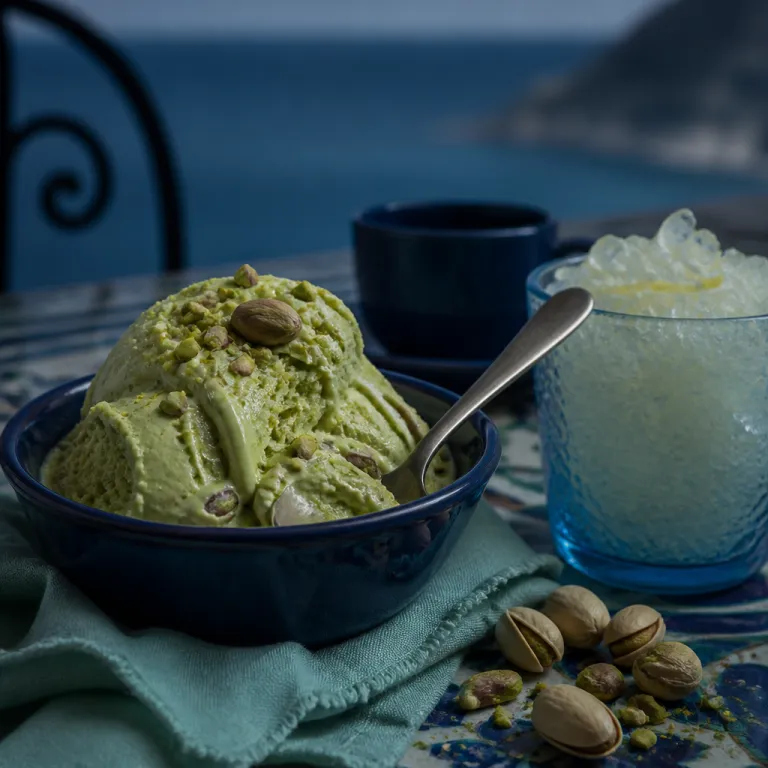
From hotel terrace to gelateria counter: how Sicilian gelato and granita shape summer
Check into any serious luxury hotel in Sicily in high summer and the first thing you taste should be cold, not sparkling. On a shaded terrace in Taormina or a marble lobby in Palermo, the welcome amenity has quietly shifted from prosecco to a small cup of pistachio gelato or granita, signalling that the property understands the island’s real currency. That single spoonful connects you to a chain of Sicilian artisans, Bronte farmers and coastal cafés that treat every frozen dessert as a cultural artefact rather than a simple product.
Across Sicily, the divide between gelato and granita is almost geographical, and your hotel choice will determine which flavour ritual frames your mornings. Along the eastern coast from Catania to Messina, a tall glass of granita made from water, sugar and fruit or nuts is still considered breakfast, while in Palermo and Trapani the denser gelato, closer to Italian ice cream yet lower in fat, dominates the passeggiata hours. Understanding this cultural map helps you read a hotel’s pastry counter as clearly as its wine list, because a property that respects traditional Sicilian granita usually respects everything from linen quality to concierge advice.
Luxury travellers often ask what makes these frozen flavours feel so different from standard ice cream served in international chains. The answer lies in the balance of milk and water, the slow freezing in shallow trays and the obsessive control of ice crystals that Sicilian artisans have refined over generations. As one local explanation puts it without embellishment, “What distinguishes Sicilian gelato from other ice creams? Its dense texture and intense flavors.” Food historian Mary Taylor Simeti notes that Sicily’s long history of snow harvesting on Etna and Nebrodi peaks also shaped today’s techniques, turning simple ingredients into something quietly luxurious.
Granita vs gelato: where to eat like a local from Catania to Noto
Start in Catania, where the most telling luxury is not the rooftop pool but whether the concierge can point you to a proper granita con brioche within five minutes on foot. At historic bars along Via Etnea and in neighbouring towns on the Ionian coast, you will find pistachio granita layered in tall glasses, the ground nuts suspended in a silky mixture of water, sugar and finely scraped ice. Order it with a warm brioche and you will understand why “How is Sicilian granita traditionally served? With a warm brioche, especially for breakfast.” is repeated like a mantra by every serious host.
In Noto, where gelato makers are gaining international recognition, the best addresses treat granita and gelato as parallel arts rather than competing desserts. Ask for a tasting flight that moves from lemon granita to a pistachio based granita, then to a classic milk based gelato studded with pistachio nuts and you will taste how each step in the recipe changes the final flavour. The contrast between water based granita preparations, frozen in pans and scraped to create tiny crystals, and slow churned gelato, sometimes enriched with whipped cream or a ribbon of pistachio cream, is as sharp as the divide between coastal and inland landscapes.
Book a premium room in Noto or Ragusa and you will often find a small freezer drawer stocked with individual cups of gelato and granita, curated like a minibar wine list. This is where you should seek out flavours that go beyond the usual chocolate and hazelnut, focusing instead on Sicilian pistachio, almond and Modica chocolate that echo the region’s volcanic soil and baroque towns. For travellers planning a longer itinerary that pairs these frozen desserts with serious wine, it is worth reading a focused guide to Sicilian grapes and emerging appellations before you arrive.
Bronte pistachios and Etna’s volcanic soil: the green gold behind every spoonful
To understand why a scoop of pistachio gelato or granita can cost more in Sicily than in mainland Italy, you need to leave the coast and drive towards Mount Etna. On the volcano’s western slopes, near the town of Bronte, farmers work steep terraces of volcanic soil that produce just a sliver of global pistachio supply yet define the island’s most luxurious flavour. The emerald colour and aromatic flavour of Bronte pistachios, protected under the European PDO “Pistacchio Verde di Bronte,” are the quiet luxury ingredient running through the menus of serious hotel pastry kitchens.
Bronte pistachio groves are often harvested by hand on rugged terrain, a rhythm described by the Consorzio del Pistacchio Verde di Bronte as essential to preserving tree health and nut quality. This careful management of the trees, combined with manual picking on rocky terraces, shapes both prices and availability in high end hotels. When you see pistachio cream folded into breakfast pastries, pistachio paste whisked into gelato bases or a limited edition pistachio granita on a poolside menu, you are tasting the result of labour intensive harvesting and careful drying that can stretch for hours overnight in small family run operations. As the Consorzio notes, what makes Bronte pistachios unique is “their emerald green color and sweet, aromatic flavor,” a simple description of what volcanic soil and altitude can do to pistachio nuts.
Many luxury properties now organise private drives to Bronte during harvest season, pairing tastings of fresh pistachios with visits to Sicilian artisans who transform them into gelato, pralines and savoury sauces. Solo travellers with a food focus should look for hotels that partner with local producers rather than importing generic pistachio products, because this is where you can buy vacuum packed kernels and jars of pistachio cream directly from Bronte farmers. For those building a wider gastronomic itinerary across the islands, the same attention to terroir appears in plant forward fine dining, as shown in guides to Michelin starred plant based cuisine on Vulcano.
From Modica chocolate to hotel pastry trolleys: how Sicily’s desserts frame your stay
Frozen desserts may dominate the summer conversation, but the smartest luxury hotels in Sicily weave them into a broader pastry narrative that runs from Modica to Palermo. In Modica, chocolate is still made with a cold processing technique inherited from the Aztecs via Spain, which leaves a grainy texture that pairs beautifully with both gelato and granita. When a hotel pastry chef shaves Modica chocolate over pistachio granita or folds it into a layered dessert with cassata and cannoli, you are tasting a conversation between centuries.
Seasonal pastry trolleys in high end properties often feature mini cannoli filled with ricotta cream, slices of cassata and small glasses of granita served alongside, creating a progression from rich to refreshing. In eastern Sicily, it is common to see a light pistachio or lemon granita offered after dinner instead of a heavy ice cream sundae, especially when the evening heat lingers above 30 degrees Celsius. Western hotels may lean more on gelato, but the best still respect the ritual of granita con brioche at breakfast, a detail that signals they understand local rhythms rather than imposing an international buffet.
For solo travellers planning a route that links these flavours with architectural and coastal highlights, it makes sense to choose hotels that treat gastronomy as seriously as design. Properties curated by specialist Sicilian agencies often combine strong pastry programs with thoughtful experiences, from Modica chocolate workshops to Etna vineyard visits and pistachio themed tastings. If you are considering a longer itinerary that blends these culinary rituals with romantic coastal stays, classic honeymoon style tours of Italy can be adapted for solo explorers who want the same level of detail without the couple centric framing.
FAQ
What is the main difference between Sicilian granita and gelato?
Sicilian granita is a semi frozen dessert made from water, sugar and flavourings such as lemon, coffee or pistachio, slowly frozen in shallow containers and scraped to create fine ice crystals. Gelato is denser, made with milk or cream and sometimes egg yolks, and contains less air than typical ice cream, which gives it a more intense flavour and smoother texture. Across Sicily, granita is especially common at breakfast in the east, while gelato is more associated with afternoon and evening walks in the west.
Where should I stay if I want the best granita con brioche experience?
For classic granita con brioche, base yourself in eastern Sicily around Catania, Acireale, Taormina or Noto, where cafés still serve it as a traditional breakfast. Choose hotels that highlight local pastry partnerships or mention granita on their breakfast menus, as this usually indicates a serious approach rather than a token offering. From these bases you can walk to historic bars that specialise in pistachio, almond and coffee granita served with freshly baked brioche.
Why are Bronte pistachios considered so special?
Bronte pistachios grow on the western slopes of Mount Etna, where volcanic soil and altitude create nuts with an intense aroma and vivid green colour. Production is limited and harvesting is often done by hand on steep terraces, with growers carefully managing yields to concentrate flavour in the best possible crop. Many luxury hotels in Sicily highlight Bronte pistachios in gelato, pastries and savoury dishes, using them as a marker of authenticity and care.
Can I visit pistachio farms and chocolate producers from my hotel?
Several high end hotels and guesthouses in eastern and south eastern Sicily arrange private or small group visits to Bronte pistachio farms and Modica chocolate laboratories. These excursions typically include tastings of fresh nuts, pistachio cream, granita or gelato, and an explanation of traditional production methods. When booking, ask the concierge or reservations team specifically about food focused experiences, as properties that offer them usually have stronger relationships with local artisans.
Is Sicilian gelato suitable for travellers who are used to lighter desserts?
Sicilian gelato is rich in flavour but often feels lighter than standard ice cream because it contains less fat and is served at a slightly warmer temperature. If you prefer very light desserts, start with fruit based granita or sorbets, then move to small portions of pistachio or almond gelato to appreciate the intensity without feeling overwhelmed. Many hotel pastry teams are happy to offer half portions or tasting flights, especially outside peak service hours.