Why Etna trekking in autumn Sicily feels like the mountain’s private season
On Mount Etna, autumn turns a powerful volcano into a quietly generous host. The Etna trekking autumn Sicily window from September to November brings cooler air, long views and a calmer mood across the slopes. For luxury travelers, this is often the ideal season for hiking on Etna, balancing serious time on the trails with equally serious comfort back at your hotel.
Daytime temperatures on Etna in autumn usually sit in a sweet spot for hiking, often between 10°C and 18°C (50–64°F) at 1,800–2,000 metres (5,900–6,560 feet), cool enough for a steady pace yet warm enough to pause comfortably on exposed lava fields. Visibility often improves once the high summer haze has gone, so your Etna trekking autumn Sicily itinerary can include wide panoramas over the Ionian coast and the interior of Sicily. With roughly 10 to 11 hours of daylight in October, this is also the perfect time to visit Etna if you prefer fewer crowds on the main trails and a more contemplative volcano experience.
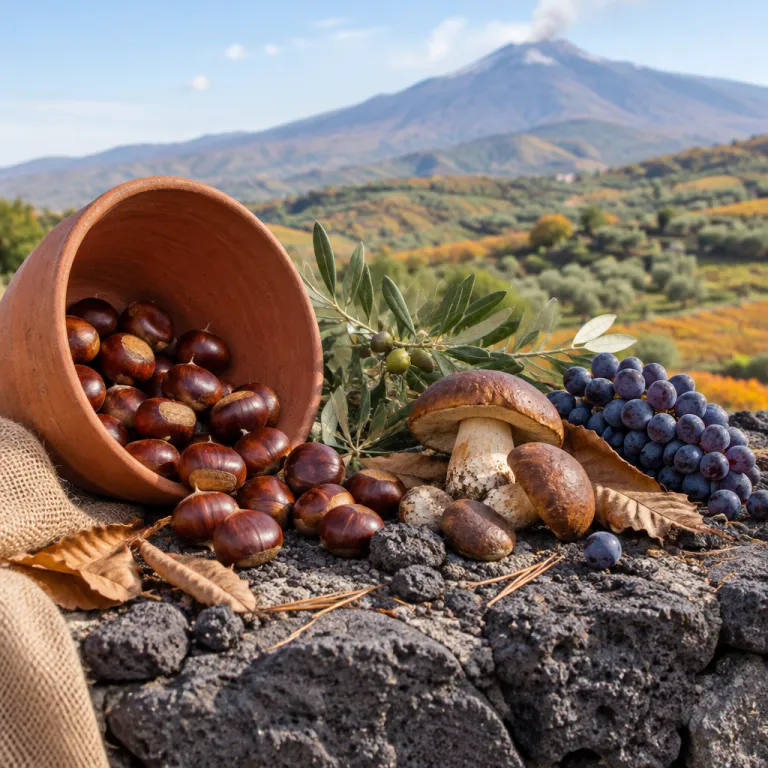
Autumn Sicily also coincides with harvest rhythms in the Etna wine districts, which adds another layer to any volcano adventure. After a morning hike on Mount Etna, autumn light slants across terraced vineyards where wine tasting becomes part of the landscape rather than a separate activity. Many luxury properties in Sicily now curate Etna trekking autumn Sicily stays that combine guided hiking, vineyard visits and slow evenings in mountain retreats with strong spa programs, often centred around tasting menus, Etna DOC wine pairings and small-group excursions.
Choosing your Etna hike: summit zones, craters and lava flows
Planning an Etna trekking autumn Sicily escape starts with deciding how close you want to get to the active volcano zones. Some travelers are drawn to guided hikes near the summit area of Mount Etna, typically starting from Rifugio Sapienza on the southern side or Piano Provenzana on the northern flank, while others prefer gentler tours that trace older craters and cooled lava fields at lower altitude. The right tour choose moment is when you match your fitness, your appetite for adventure and your comfort with changing weather conditions.
Guided hiking routes on Etna in autumn range from half day walks across undulating lava to full day summit style ascents, always shaped by current safety rules. Typical excursions might include three hour circuits around the Silvestri craters at about 1,900 metres (6,230 feet) or six hour summit area hikes that can reach over 3,000 metres (9,840 feet) when conditions allow. Authorised expert guides working on the mountain monitor activity levels and weather conditions through official bulletins from the Etna Park authority and the Istituto Nazionale di Geofisica e Vulcanologia (INGV), then adjust itineraries so that tours allow safe access only where it is permitted. When you visit Etna with a qualified guide in autumn Sicily, you gain both route finding security and a richer understanding of how the volcano breathes beneath your feet.
Lower down, family friendly tours allow you to explore volcano landscapes without committing to a demanding hike, ideal if you want to return to a luxury hotel for a late lunch. These Etna autumn itineraries often include short walks into lava caves, gentle circuits around side craters and viewpoints where you can explore volcano scenery without steep gradients. For travelers interested in autumn colour on the slopes, the wooded flanks of Mount Etna are a strong alternative to higher, barer lava fields and pair well with a stay focused on autumn foliage and volcanic landscapes.
Access, safety and logistics: how to reach Mount Etna in autumn
Even in the most stable Etna season, the volcano sets the rules for access and safety. Any Etna trekking autumn Sicily plan should start by checking the latest guidance from the Etna Park authority and the Istituto Nazionale di Geofisica e Vulcanologia, which track activity and issue clear updates through their official channels. Luxury hotels on the mountain and along the coast often liaise directly with expert guides, so your concierge can align your preferred hike with current safety advice.
Reaching Mount Etna from Catania or Taormina is straightforward, but the transport style shapes your day. Independent travelers often use public transport, including the bus Catania services that climb towards the main access points on the southern and northern flanks, then meet their pre booked tours there. Typical transfer times range from about 1 hour 30 minutes from central Catania to Rifugio Sapienza to around 2 hours from Taormina to the main southern access, depending on traffic and connections. If you prefer a smoother experience, many high end properties in Sicily arrange private transfers that skip content such as ticket queues and parking stress, leaving you free to focus on the volcano adventure.
Once on the mountain, respect for weather conditions is non negotiable, even during calm autumn Etna days. Temperatures can drop quickly with altitude, and wind can turn a gentle hike into a more serious activity within minutes, so listen carefully when expert guides outline the plan. Families considering quieter alternatives sometimes combine a light Etna autumn walk with a stay in the Madonie range, using a refined mountain base such as those highlighted in our guide to Sicily’s best kept family mountain retreats.
What to pack and how to read Etna’s autumn weather
Preparing properly for Etna trekking autumn Sicily makes the difference between a memorable hike and an uncomfortable trudge. Even if the coast feels warm when you leave your luxury hotel, the upper slopes of Mount Etna can be several degrees cooler, especially in the late afternoon. Think in layers, and remember that the volcano’s weather conditions can change faster than the forecast suggests.
A typical packing list for Etna in autumn includes a moisture wicking base layer, a warm mid layer and a windproof outer shell, plus gloves and a hat for higher routes. Sturdy hiking boots with good grip are essential on loose lava, and many tours allow you to rent trekking poles if you prefer not to travel with them, which can be helpful on longer hike itineraries. Even on shorter tours, carry at least one and a half litres of water, sun protection and a headlamp if your guide expects to return near dusk, because autumn Sicily light fades quickly at altitude.
For quick reference, consider this simple checklist for hiking on Etna in autumn:
- Layered clothing (base, mid and windproof outer shell)
- Sturdy hiking boots with good tread
- Gloves, warm hat and sunglasses
- 1.5–2 litres of water per person
- High SPF sun protection and lip balm
- Headlamp or small torch for late returns
- Light backpack and optional trekking poles
Luxury travelers often combine technical gear with a few indulgent touches, such as a compact camera for the experience magic of sunset over the lava fields. If your Etna autumn plan includes wine tasting or a spa visit after the activity, pack a change of clothes so you can shift from volcano mode to resort mode with ease. Many premium hotels in Sicily now offer gear storage and same day laundry, which makes it easier to visit Etna year round without overpacking.
Pairing Etna hikes with wine estates, thermal waters and mountain retreats
The real luxury of Etna trekking autumn Sicily lies in what you do before and after the hike. On the volcano’s lower slopes, vineyards rooted in mineral rich lava soils produce some of Sicily’s most characterful wines, and many estates now host intimate wine tasting sessions for small groups. A morning hike followed by a cellar tour and tasting turns a simple tour into a full day experience that connects landscape, geology and glass.
Some Etna autumn itineraries weave in thermal springs or wellness focused retreats, where hot pools ease muscles after a demanding hike on Mount Etna. High end mountain lodges and coastal palace hotels in Sicily increasingly curate packages where tours allow you to explore volcano trails with an expert guide, then return to multi course dinners and deep wine lists. If you prefer a more historic setting, consider combining your Etna season trekking with a stay in one of the island’s restored castles and seaside fortresses, many of which are profiled in our guide to refined historic stays on the Sicilian coast.
Whether you base yourself in Catania, Taormina or a rural retreat, the aim is to create an Etna autumn rhythm that feels both active and restorative. Morning activity on the volcano, an unhurried lunch, then a late afternoon stroll through vineyards or old towns is often the perfect time pattern for solo travelers. With thoughtful planning, you can visit Etna multiple times during one trip, building a year round relationship with the mountain that goes beyond a single adventure.
FAQ
Is autumn really the best time to hike on Mount Etna ?
For many travelers, autumn is the perfect time to hike on Mount Etna because temperatures are milder, visibility is often better and the trails feel less crowded than in high summer. The Etna trekking autumn Sicily period also aligns with harvest in the surrounding vineyards, which makes it easier to combine hiking with wine tasting. Always check current volcano activity and weather conditions before you visit Etna, as these can affect access.
Do I need a guide for Etna trekking in autumn Sicily ?
While some lower trails can be walked independently, using authorised expert guides is strongly recommended, especially near the summit zones or active craters. A professional volcano expert understands how to read the mountain, interpret safety updates and adjust the hike if conditions change. Guided tours allow you to explore volcano landscapes more confidently and usually include transport logistics, which is helpful if you rely on public transport or the bus Catania services.
What should I wear for an Etna hike in the autumn season ?
Even in autumn Sicily, conditions on Mount Etna can be cold and windy, so dress in layers that you can add or remove easily. Sturdy hiking boots, a windproof jacket, gloves and a hat are essential for higher routes, while sunglasses and sun protection remain important on exposed lava fields. Ask your hotel or guide about expected weather conditions on the day, and pack accordingly.
Can I combine Etna hiking with luxury accommodation and wine experiences ?
Yes, many luxury and premium hotels in Sicily now design Etna trekking autumn Sicily packages that blend guided hiking with wine tasting, spa access and refined dining. You can base yourself in a mountain retreat, a coastal palace or even a historic castle style property, then join daily tours that visit Etna with expert guides. This approach turns each hike into part of a wider experience magic that continues back at your hotel.
How long should I plan for an Etna autumn trip ?
A long weekend allows time for at least one major hike on Mount Etna, a gentler walk on the lower slopes and a half day dedicated to wine tasting or a spa. If you want to explore volcano landscapes more deeply, consider a week that includes Etna, the Nebrodi or Madonie mountains and a coastal stay in Sicily. This gives you enough time to adjust to the volcano’s rhythm, respond to changing weather conditions and still enjoy slow evenings in your chosen hotel.