Why Sicily hotel architecture design feels different now
Sicily hotel architecture design has shifted from generic Mediterranean styling to something sharper and more site specific. Across the island, each new luxury hotel or restored villa now treats architecture as a narrative tool that connects guests to the land, the sea and the layered history of Italy. For travelers comparing hotels in Sicily, this new design language quietly separates the best hotels from the merely photogenic.
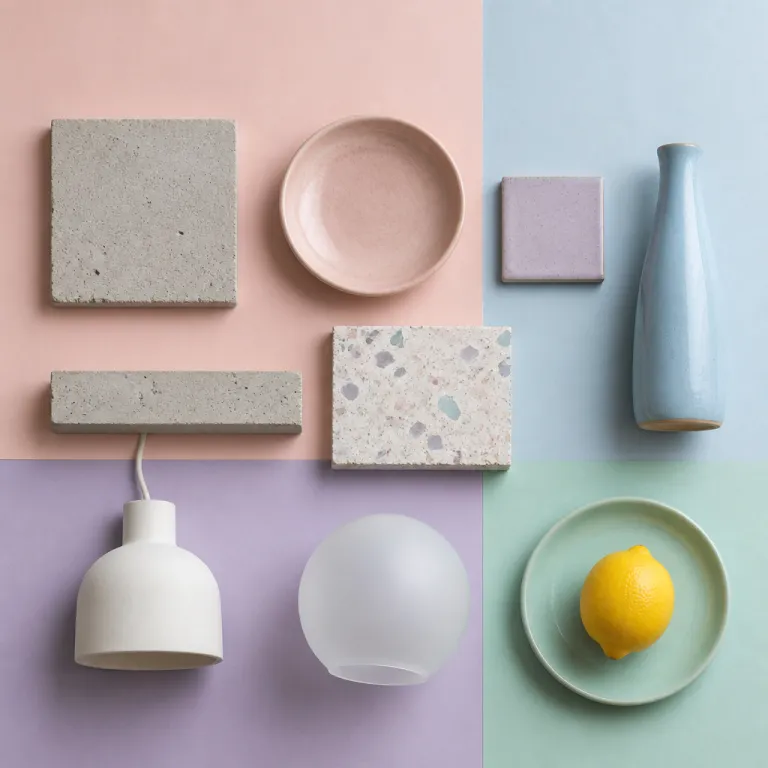
Look closely at any serious new resort or country house and you will see a disciplined palette of materials rather than decorative excess. Concrete is left exposed but softened by limewash, while local stone and lava stone from Mount Etna are used to frame views, cool rooms and anchor terraces that step down towards the sea. In parallel, Caltagirone ceramics and hand finished Sicilian clay tiles appear in pools, spa corridors and hotel bar counters, giving each space a tactile link to specific towns and artisans in Sicily.
This is not just about aesthetics ; it is about how you feel moving through a hotel. A well considered room layout, a shaded swimming pool deck and a restaurant that opens to olive groves all influence whether you linger, sleep deeply and actually taste the place rather than just its dining menu. When you make a booking on a luxury site such as stay in Sicily, reading the architectural story of each spa hotel or resort spa is now as important as checking the pool size or the courtesy car schedule.
Materials that root hotels in Sicilian landscape
The most convincing Sicily hotel architecture design projects start with the ground beneath your feet. ADLER Spa Resort Sicilia, on the south coast, uses air dried Sicilian clay walls, opus signinum floors made with upcycled crushed bricks and volcanic rock cladding to merge the resort with the surrounding dunes and maquis. That same respect for geology appears in hotels Sicily wide, from Taormina Italy to the quieter south east near Val di Noto.
Volcanic lava stone from Mount Etna is now a signature of the island’s new wave hotels. At Villa Neri and the nearby Neri Resort, dark stone walls frame the swimming pool and spa terraces, while lighter concrete and timber keep the rooms calm and bright. Donna Carmela, set between Etna and the sea, layers lava stone with lush planting so that every hotel villa and country house style suite feels like it is growing out of the landscape rather than sitting on top of it.
Caltagirone ceramics, a UNESCO recognised craft, are increasingly used as architectural elements rather than souvenirs. You will see them as steps leading to a pool, as headboards in a room or as the facing of a bar in design hotels across Noto and the wider Val di Noto area. For travelers comparing hotels restaurants on a booking platform, these details signal a property that invests in local artisans instead of importing anonymous décor, and that commitment usually extends to the restaurant dining philosophy and the courtesy offered by the staff.
For a deeper look at how restoration and regulation shape these choices, read this analysis of heritage preservation meeting five star hospitality in Sicily. It explains why some palazzi can integrate a spa or resort level pool while others must keep interventions almost invisible. Understanding those constraints helps you read between the lines when a hotel in Sicily talks about its design story and its relationship with Italy’s strict conservation laws.
Light, shade and the choreography of Sicilian rooms
Natural light is the quiet protagonist of Sicily hotel architecture design. The island’s sun is intense, so the best hotels use deep loggias, perforated stone screens and carefully angled concrete slabs to filter brightness rather than block it. When you walk from a shaded bar to a sunlit terrace, or from a cool spa corridor to a glowing pool deck, you feel the architecture guiding your body temperature and your mood.
In Taormina, where hotels cascade towards the sea, this choreography of light and shade is especially refined. A hotel villa perched above the bay might use narrow openings and thick walls on the street side, then explode into full height glazing towards the water, with lava stone floors that stay cool underfoot. Some of the best hotels in Taormina Italy pair this with discreet resort spa facilities carved into the rock, so that a spa hotel can offer saunas and treatment rooms without disturbing the historic skyline.
Further south, around Noto and the wider south east, contemporary country house conversions play with light in a different way. Zash Country, for example, hides rooms inside former wine cellars and presses, where stone vaults and tiny windows create a cocooned atmosphere that contrasts with bright outdoor dining terraces among citrus and olive groves. If you enjoy the romance of historic silhouettes, you might also be drawn to the storybook grandeur of Italian fortresses ; this guide to castle hotels in Italy shows how similar principles of light, mass and landscape are applied in other regions.
New builds versus restorations in Sicily’s design hotels
One of the most interesting tensions in Sicily hotel architecture design lies between new build resorts and restored heritage properties. A ground up spa resort can integrate energy efficient systems, generous pools and flexible room layouts from day one, while a palazzo in Noto or a farmhouse near Val di Noto must negotiate every intervention with heritage authorities. Neither approach is automatically better ; each shapes a different kind of stay.
The upcoming Costa Ragusa development near the south east coast, spread across roughly ninety hectares, illustrates the potential of new build luxury near UNESCO listed towns. Architects there can orient every villa and room towards the sea or the olive groves, design a resort spa with direct access from suites and place restaurants so that dining always comes with a horizon line. Expect concrete, stone and Sicilian clay to be used in a way that feels contemporary but still rooted in Italy’s Mediterranean vernacular.
By contrast, a restored country house or hotel villa in the hills above Taormina or around Donna Carmela often offers a more intimate, layered experience. You might trade a vast swimming pool for a smaller, irregular pool carved from existing terraces, or accept fewer spa facilities in exchange for frescoed ceilings and original lava stone floors. If you are drawn to complex histories, consider pairing a stay in one of these hotels with a visit to the Arbëresh villages near Palermo ; this feature on five centuries of Albania in Sicily shows how architecture and identity intertwine across the island.
How design choices shape your stay, from bar to spa
For travelers using a luxury booking platform, the phrase Sicily hotel architecture design should translate into concrete expectations. You are not just choosing between hotels but between different ways of inhabiting the island’s landscapes, from sea facing resorts to vineyard country houses and Etna side villas. Paying attention to how a hotel describes its materials, its pools and its public spaces will tell you as much as any star rating.
Start with the social heart of the property, usually the bar and restaurant. In the most thoughtful hotels restaurants, the bar counter might be clad in Caltagirone tiles, the dining chairs upholstered in fabrics dyed with local plants and the terrace paved in stone that matches nearby cliffs. These choices make every aperitivo, every breakfast and every late night return to your room feel anchored in Sicily rather than in a generic corner of Italy.
Then look at how wellness is integrated. A spa hotel on Mount Etna, such as Villa Neri or the related Neri Resort, uses lava stone in treatment rooms, pools and steam areas to create a direct sensory link to the volcano, while Donna Carmela wraps its resort spa spaces in lush planting that blurs the line between indoors and outdoors. When a hotel invests in this level of design, courtesy from the staff, thoughtful room layouts and well placed swimming pool decks usually follow, because the entire project has been conceived as a coherent experience rather than a collection of amenities.
FAQ
What defines the new wave of Sicily hotel architecture design ?
The new wave of Sicily hotel architecture design is defined by a restrained material palette, strong connections to local crafts and a careful handling of light and shade. Hotels now favor concrete, local stone, Sicilian clay and lava stone, often combined with Caltagirone ceramics and custom metalwork. This approach creates properties that feel specific to Sicily rather than interchangeable with other parts of Italy.
How does Mount Etna influence hotel design in eastern Sicily ?
Mount Etna shapes hotel design through both materials and views. Many spa hotels and resorts near the volcano use lava stone for floors, pools and terraces, which keeps spaces cool and visually anchors them to the landscape. Architects also frame key vistas towards the crater, so that rooms, restaurants and bar terraces constantly remind guests of the mountain’s presence.
Are new build resorts or restored palazzi better for a first stay in Sicily ?
New build resorts usually offer larger pools, more extensive spa facilities and highly functional room layouts, which can suit travelers who prioritize comfort and wellness. Restored palazzi and country houses deliver more atmosphere, with irregular spaces, historic stonework and often closer ties to local communities. For a first visit, many travelers combine both styles by splitting their booking between a coastal resort and an inland heritage property.
How can I tell if a hotel really supports local artisans ?
Look for specific mentions of Caltagirone ceramics, local stone quarries, Sicilian textiles or collaborations with named studios in the hotel’s design description. Properties that invest in artisans usually showcase their work in public spaces such as the bar, restaurant and spa, not just in gift shops. Reviews and detailed guides on specialist platforms like stay in Sicily often highlight these partnerships when assessing the best hotels on the island.
Which Sicilian regions are most interesting for design focused hotels ?
Eastern Sicily around Taormina and Mount Etna is strong for lava stone architecture and vineyard based country houses. The south east, including Noto and the wider Val di Noto, offers a mix of baroque palazzi and contemporary design hotels set among olive groves and coastal dunes. The south coast near Ragusa is emerging with new build resorts that experiment with concrete, clay and landscape driven masterplans.