Why Villa Romana del Casale mosaics justify a detour inland
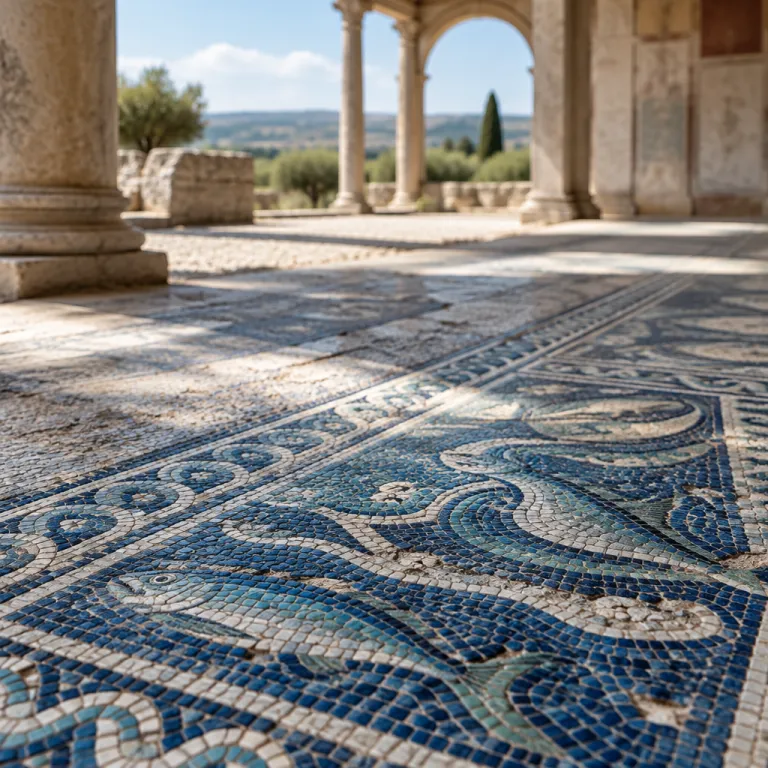
On a coast focused itinerary in Sicily, driving inland to Villa Romana del Casale can feel like a bold diversion. Yet this roman villa near Piazza Armerina holds a late antique world in colour that no museum vitrine can match, turning a half day into the most vivid lesson in art culture your family will remember. The complex is a UNESCO World Heritage Site where more than 3 500 square metres of mosaic floors remain in situ, preserved by a medieval mudslide that sealed the rooms like a time capsule.
Think of the villa as a private imperial resort, with each room narrating a different scene from late roman life. You walk raised walkways above the mosaics, moving from the monumental entrance to intimate chambers, reading the floors as you would a graphic novel, panel by panel. Children tend to lock onto the famous bikini girls athletes, while adults linger over the great hunt corridor, where the hunt mosaic stretches for metres in a cinematic procession of animals, ships and handlers.
Unlike a city museum, this heritage site sits in rural casale piazza countryside, framed by low hills and wheat fields. The sense of place matters, because you are not just viewing mosaics, you are standing inside a late antique villa del landscape that once controlled the interior of Sicily. For luxury travellers used to polished galleries, the rawness of the site, the breeze through the apsidal hall and basilica, and the way light shifts across each mosaic floor create an experience that feels both curated and elemental.
Room by room: reading the Villa Romana del Casale mosaics with your family
The visit begins at the monumental entrance, where fragments of opus sectile marble hint at the original grandeur before you even reach the first mosaic floor. From there, the route threads through the peristyle courtyard into the great hall, a space that once staged receptions and now stages your first real encounter with the villa romana del casale narrative. Encourage children to choose a favourite scene in each room, turning the walk into a quiet treasure hunt rather than a lecture.
In the apsidal hall and basilica area, look for the way the roman artists used perspective to suggest depth, especially in the columns and steps framing religious or ceremonial scenes. These spaces help explain why specialists call this the finest late roman mosaic complex in situ, because the art is still anchored to its original architecture. Parents who love design will notice how opus sectile marble inlays and mosaic borders echo patterns later revived in arab norman palaces on the coast, creating a thread through Sicily’s layered art culture.
The great hunt corridor is the emotional high point, a long room where the great hunt mosaic shows exotic animals being captured and shipped across the empire. Here the Villa Romana del Casale mosaics feel almost cinematic, each scene a frame in a moving story that children can follow without any guidebook. If your family enjoys atmospheric stays, this is the moment to imagine returning in the evening to a nearby converted castle or country estate, the kind of storybook grandeur explored in guides to castle hotels in Italy, while the day’s images settle in over dinner.
Signature scenes: from bikini girls to late antique power
For many visitors, the so called bikini girls room is the most talked about space in the entire roman villa, because the mosaic shows young women training and competing in athletic events. The detail is astonishing, from the weights in their hands to the laurel wreaths, and it overturns lazy assumptions about women’s roles in early century roman society. With older children or teenagers, this room opens a natural conversation about how art culture can challenge stereotypes while still reflecting the power structures of a late antique elite.
Elsewhere, quieter rooms reveal domestic scenes that feel unexpectedly intimate, such as children playing or servants preparing for the hunt, each small mosaic scene framed by geometric borders. These spaces remind you that villa del casale was not only a ceremonial complex but also a lived in home, where daily life unfolded above the same mosaic floors you now admire. In some rooms, damaged sections expose the bedding layers beneath, a subtle lesson in how roman craftsmen built such durable surfaces long before modern engineering.
Do not skip the basilica and adjacent apsidal hall, where the scale of the architecture underlines the status of the owner, probably a high ranking official tied to imperial power. Here the Villa Romana del Casale mosaics shift from playful to formal, with processions and symbolic motifs that echo public buildings in Rome itself. Luxury travellers who appreciate heritage preservation will recognise the same tension explored in discussions of palazzo style hotels, where conservation, comfort and storytelling must coexist without diluting the original fabric.
Planning the visit: timing, shade and inland logistics for families
Reaching romana del Casale from the coast is straightforward, whether you drive from the east via Enna or from the south through Caltagirone and the Val di Noto. Expect around ninety minutes from the Taormina area and a similar duration from the Ragusa coast, making the site an ideal inland day trip anchored by a long morning at the villa. Families should aim for the first entry slot, when the light is soft, the tour buses have not yet arrived and the raised walkways feel almost private.
The complex is well organised for children, with shaded stretches, clear signage and elevated paths that keep little feet off the fragile mosaic floors while still allowing close views. Bring water and hats in warmer months, because inland Sicily can feel hotter than the coast, especially in the early afternoon when the stone structures radiate heat. Many parents find that a slow loop of the rooms, a pause at the café and a second targeted pass for favourite spaces like the bikini girls or great hunt corridor works better than trying to absorb every detail in one sweep.
Ticketing for this UNESCO heritage site is usually straightforward at the entrance, though advance booking through official channels is wise during peak holiday periods. Parking sits a short walk from the monumental entrance, and the approach offers a first glimpse of how the roman villa nestles into the landscape rather than dominating it. If your itinerary already includes wellness focused stops such as the thermal springs around Mount Etna, which are explored in depth in this guide to volcanic wellness and natural spas, the inland drive to Piazza Armerina will feel like a natural extension of Sicily’s quieter, more contemplative side.
Where to stay: refined bases between Piazza Armerina, Enna and the Val di Noto
Luxury travellers visiting Villa Romana del Casale mosaics have two main strategies, either a dedicated inland night near Piazza Armerina or a long day trip from a coastal base in south eastern Sicily. Staying close to casale piazza allows you to reach the site at opening time, enjoy the great hunt corridor and basilica in relative calm, then retreat to a countryside property for a long lunch by the pool. Families often appreciate restored masserie and bagli, where children can roam gardens while adults enjoy a glass of local wine and views that stretch across the interior hills.
Between Enna and Caltagirone, several former farm estates have been converted into discreet retreats, pairing stone architecture with contemporary comforts and family friendly suites. These properties make it easy to combine the roman villa with Morgantina’s archaeological site or Caltagirone’s ceramic workshops, turning a single visit into a full inland circuit that balances art, history and hands on experiences. When assessing options, look for clear information on driving times to villa romana del casale, shaded parking and early breakfast service, all small details that matter when you want to be at the monumental entrance before the crowds.
For those based along the Val di Noto or the Ragusa and Siracusa coasts, a private driver can transform the inland journey into a relaxed day, especially with younger children. You leave the sea behind at dawn, reach the heritage site for a focused visit, then continue to a late lunch in a rural trattoria before returning to your seaside hotel by evening. This rhythm lets you enjoy the full impact of the Villa Romana del Casale mosaics without sacrificing the coastal ease that often defines a Sicilian holiday.
FAQ
How long do I need to visit Villa Romana del Casale with children ?
Most families are comfortable with two to three hours inside the complex, which allows time to walk every room, revisit favourites like the bikini girls and great hunt corridor, and pause for breaks without rushing. Add driving time from your base in Sicily, and you have a well balanced half day that still leaves space for lunch or a secondary stop such as Morgantina or Caltagirone. Younger children may tire sooner, so consider a shorter first loop focused on the most engaging scenes, then decide on a second pass only if energy levels remain high.
Is Villa Romana del Casale suitable for strollers and limited mobility ?
The site uses raised walkways and ramps through most of the rooms, which helps both with preservation and accessibility. Some sections involve gentle slopes or short flights of steps, so lightweight strollers are easier to handle than heavy models, and visitors with limited mobility may want assistance for a few transitions. It is wise to check the latest accessibility details with the official site management before your trip, because small adjustments to the route can occur during conservation work.
Can I combine Villa Romana del Casale with other inland attractions in one day ?
Yes, many travellers pair the Villa Romana del Casale mosaics with the archaeological site of Morgantina, which lies a short drive away and offers open air ruins that contrast with the enclosed rooms of the roman villa. Another popular option is to continue to Caltagirone, where the ceramic workshops and famous staircase provide a lighter, more playful counterpoint to the late antique art culture of the villa. With a car and an early start, a family can comfortably enjoy the villa, a second site and a leisurely lunch without feeling rushed.
What should I wear and bring for an inland visit to the site ?
Choose light, breathable clothing, comfortable walking shoes and a hat, because inland Sicily can feel significantly warmer than the coast, especially around midday. The raised walkways are mostly shaded, but the approach from the parking area and some exterior sections are exposed, so sunscreen and water are essential. Families often carry a small backpack with snacks, tissues and a light layer for younger children, as interior spaces can feel cooler in shoulder seasons.
Are guided tours necessary to appreciate the mosaics ?
A guide is not strictly necessary, because the narrative power of the Villa Romana del Casale mosaics is strong enough for independent visitors, especially families who prefer to move at their own pace. That said, a knowledgeable guide or high quality audio guide can deepen your understanding of specific scenes, such as the symbolism in the basilica or the logistics behind the great hunt mosaic. If you choose to explore alone, a good printed plan of the rooms and a short background on late roman Sicily will still allow you to appreciate the site’s exceptional artistry.